
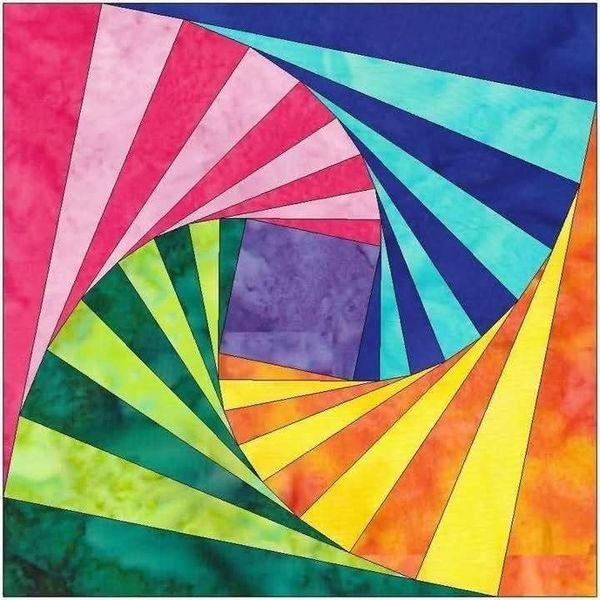
Twister block patchwork. A block that is pure movement. This unique quilting design has captured the imagination of crafters around the world. Unlike traditional quilt blocks that rely on symmetry and repetition, the twister block creates the illusion of motion, giving every quilt a dynamic and playful look. It is more than just fabric sewn together; it is artistry in movement.
For beginners and experienced quilters alike, this block represents a bridge between traditional quilting techniques and modern creativity. Its swirling effect gives quilts a contemporary aesthetic while keeping the warm and comforting appeal of handmade patchwork. Many quilters describe the process of making a twister block as both engaging and relaxing, as the cutting and piecing feel almost like solving a puzzle.
When used across a quilt, twister block patchwork creates a captivating visual story. Each block seems to twist and dance across the fabric, drawing the eye in unexpected directions. Whether applied to an entire quilt, a pillow cover, or a table runner, this design transforms ordinary fabrics into extraordinary creations. Now, let’s dive deeper into how this block works, why it is loved, and how you can bring it into your quilting journey.
Understanding the Essence of Twister Block Patchwork
At its core, the twister block patchwork relies on careful cutting and repositioning of fabric squares. Quilters often start with a simple patchwork of squares, and then, by using a template or ruler, cut out twisting shapes that are reassembled to form the swirling illusion. What seems like a simple grid quickly transforms into a quilt full of energy and life.
The beauty of this technique is that it is approachable for beginners. You don’t need years of experience to create stunning results. With a bit of patience and attention to detail, anyone can learn to make a twister block. The key lies in precision cutting and consistent seam allowances, which ensure the twists align perfectly.
Experienced quilters also appreciate the flexibility this block offers. By experimenting with different fabric colors and patterns, the effect can shift dramatically. Bright, bold colors create a lively, almost carnival-like quilt, while softer tones give a sense of graceful movement, like leaves dancing in the wind.
Another aspect that makes this block appealing is its versatility. It can be used in both small and large projects. Many quilters enjoy making twister block table runners for seasonal décor, while others commit to full-sized bed quilts that showcase the block’s dramatic flow.
The illusion of motion also appeals to viewers. Unlike static blocks such as the nine-patch or log cabin, the twister block immediately draws attention. It becomes a conversation piece, admired not only for its craftsmanship but for its playful energy.
This essence of movement makes the twister block stand out in the vast world of quilting. It celebrates tradition while embracing creativity, making it a timeless favorite.
Why Twister Block Patchwork Feels Like Pure Movement
The phrase “A block that is pure movement” truly captures the spirit of this design. When you look at a quilt made entirely of twister blocks, your eyes never rest on one place. Instead, they follow the curves and swirls, moving across the quilt in a natural rhythm.
This effect comes from the clever arrangement of angles within the block. Unlike square or rectangular blocks, the twister block plays with diagonal cuts, creating curves from straight lines. This blending of geometry tricks the eye into perceiving motion. It is almost like watching a dance frozen in time.
Colors play a crucial role here as well. Placing darker fabrics next to lighter ones enhances the twisting effect, creating depth and contrast. Some quilters even experiment with gradients, where fabrics shift from light to dark across the quilt, further enhancing the sensation of flow.
Psychologically, humans are drawn to patterns that suggest energy and movement. That is why the twister block feels so alive compared to other patchwork designs. It stimulates the imagination, making viewers think of spinning pinwheels, flowing water, or swirling wind.
For makers, this sense of movement is rewarding. Completing each block feels like achieving a small victory, as the pieces come together to form a lively twist. With every finished block, quilters feel encouraged to keep going, eager to see how the entire quilt will look in the end.
It is this combination of artistry, precision, and energy that makes the twister block such a beloved design among quilting communities.
Practical Tips for Creating Twister Block Patchwork
While the twister block patchwork may look complex, the process is surprisingly accessible with the right guidance. Here are some practical tips to ensure success and enjoyment while working with this block.
First, choose your fabrics thoughtfully. Since the design emphasizes movement, fabrics with strong contrast or complementary colors often work best. Mixing solids with small prints can add extra visual interest without overwhelming the twist effect.
Second, accuracy is everything. A sharp rotary cutter, a reliable ruler, and consistent seam allowances will make a big difference in the final outcome. Even a small misalignment can disrupt the illusion of movement, so take your time and measure carefully.
Third, start small if you are new to this block. A table topper, pillow cover, or mini wall quilt is an excellent way to practice without feeling overwhelmed. These smaller projects let you experiment with color combinations and cutting techniques before committing to a larger quilt.
Fourth, use a design wall or flat surface to lay out your blocks before sewing them together. This will allow you to step back and view the overall flow, ensuring the twists connect smoothly from block to block.
Fifth, remember that pressing matters. After each seam, press your fabric pieces flat rather than ironing them back and forth. This technique keeps your seams crisp and prevents distortion, which is especially important for maintaining the twisting illusion.
Finally, allow yourself to enjoy the process. The beauty of quilting lies not only in the finished product but in the act of creation. Each cut and stitch brings you closer to a quilt that feels alive with movement and energy.
Creative Ways to Use Twister Block Patchwork
The possibilities with twister block patchwork extend far beyond traditional quilts. Once you master the technique, you can explore countless creative projects that showcase the twisting effect.
One popular idea is to create seasonal décor. For example, twister block table runners featuring autumn colors bring warmth to a dining table, while pastel tones create a refreshing springtime feel. These smaller projects are quick to finish and add charm to any space.
Another option is to make decorative pillows. The twisting design makes an eye-catching centerpiece for a sofa or bed. A few twister block pillows can completely change the mood of a room, adding texture and visual motion.
Wall hangings are also a great way to experiment. A small twister block wall quilt becomes a piece of textile art, adding personality to any corner of your home. With careful fabric choices, you can create pieces that feel modern, rustic, or whimsical.
For quilters who enjoy gifting handmade items, the twister block is a wonderful choice. Its playful design makes for memorable baby quilts, wedding gifts, or housewarming presents. Recipients often appreciate not only the craftsmanship but also the unique energy the design conveys.
Some quilters even incorporate the block into bags, pouches, or other accessories. A tote bag with a twister block panel is both functional and artistic, showing off quilting skills in everyday life.
Ultimately, the creative uses for this block are limited only by imagination. Wherever fabric can be sewn, the twister block can bring its signature sense of movement.
About Twister Block Patchwork
What is twister block patchwork?
It is a quilting technique that creates the illusion of twisting or swirling movement within a quilt. This effect is achieved by cutting and resewing fabric squares into angled shapes.
Is the twister block difficult to make?
Not at all. While it looks intricate, it is beginner-friendly when approached with patience. Precision in cutting and sewing is the key to success.
Do I need special tools for this block?
A rotary cutter, ruler, and template designed for twister blocks make the process easier. However, with careful measuring, it is also possible to create them without specialized tools.
What fabrics work best for twister block patchwork?
High-contrast fabrics highlight the twisting effect. Solids, small prints, or gradients are often chosen for their ability to enhance movement.
Can I make large quilts with this block?
Yes. While many start small, full-sized bed quilts made of twister blocks are stunning. They showcase the design’s movement across a wide surface.
How can I keep my seams neat and aligned?
Press your seams carefully after each step and maintain consistent seam allowances. This ensures that the twisting shapes line up properly.
The twister block patchwork. A block that is pure movement. has earned its place as one of the most exciting and visually captivating quilting techniques. From its beginner-friendly process to its endless creative applications, it offers something for every quilting enthusiast. By combining precision with creativity, you can create quilts and projects that feel alive with motion.
Now that you’ve explored the essence, the tips, and the creative possibilities of this design, what do you think? Have you tried making a twister block before, or are you inspired to start now? Share your honest opinion and suggestions—I’d love to hear your thoughts on this lively and dynamic patchwork technique.