
Optical illusion quilts are one of the most fascinating creations in the quilting world, blending art, geometry, and creativity into designs that captivate the eye. These quilts are not only functional but also serve as striking decorative pieces, often leaving viewers questioning what they see. By using carefully arranged shapes, colors, and patterns, quilters achieve visual tricks that make flat fabric appear three-dimensional, textured, or in motion.
For many quilting enthusiasts, creating optical illusion quilts is an exciting challenge. Unlike traditional patterns that follow predictable layouts, illusion quilts require a deeper understanding of light, contrast, and symmetry. When executed well, the result is mesmerizing: a quilt that looks as if it has depth or movement, even though it is made of flat fabric. This type of artistry transforms quilting into a conversation starter and a form of visual storytelling.
In addition to their beauty, optical illusion quilts also highlight the mathematical side of quilting. They rely on geometry, angles, and symmetry, which makes them appealing to both artistic and analytical minds. Whether used as a bedspread, wall hanging, or display piece, these quilts prove that quilting is not just a craft, but a true art form that continues to evolve with each generation.
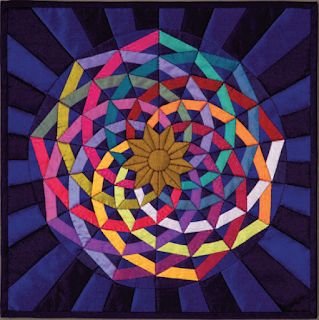
The History and Evolution of Optical Illusion Quilts
The roots of optical illusion quilts can be traced back to the traditions of patchwork and geometric quilting. Early quilters often used simple blocks, like squares and triangles, but as quilting spread across cultures, artisans began experimenting with more intricate designs. These experiments laid the foundation for patterns that could create illusions of depth and dimension.
By the 20th century, quilting had moved beyond practicality and into the realm of artistic expression. Modern quilters began studying concepts from art movements like Op Art, which focused on creating visual tricks with patterns and lines. This influence was clear in the rise of optical illusion quilts, as crafters started using bold contrasts and repeated shapes to trick the eye.
Today, the evolution of quilting has brought new tools and digital design software, making it easier to experiment with complex designs. Quilters can now preview how their illusion will appear before cutting a single piece of fabric. This innovation has not only encouraged more people to explore illusion quilting but has also made the craft more accessible to beginners.
Another key factor in the evolution of optical illusion quilts is the variety of fabrics now available. With a wide range of colors, shades, and textures, it is easier than ever to achieve sharp contrasts and seamless transitions. This allows quilters to create illusions that appear three-dimensional, as though the fabric itself is rising or sinking.
Despite technological advances, the core principles of illusion quilting remain the same. It is still about balancing light and dark, using symmetry, and understanding how the human eye perceives depth. This timeless blend of tradition and innovation is what keeps the art form alive and constantly evolving.
Quilters continue to push boundaries by experimenting with bold color palettes, digital prints, and even mixed media, ensuring that optical illusion quilts remain relevant in both traditional and modern quilting communities.
Techniques for Creating Optical Illusion Quilts
The magic of optical illusion quilts comes from the techniques used to design them. One of the most important elements is color contrast. Dark and light fabrics placed side by side can create the impression of shadows and highlights, which tricks the eye into seeing depth. Without strong contrast, the illusion effect becomes less noticeable.
Another crucial technique is precise cutting and piecing. Since illusion quilts often rely on geometric accuracy, even small errors in cutting can disrupt the effect. Many quilters use rulers, templates, and rotary cutters to ensure that each piece is perfectly shaped before sewing. Precision is the key to maintaining the illusion.
Pattern repetition also plays an important role. Repeating shapes, such as diamonds, triangles, or cubes, creates rhythm within the quilt. This repetition tricks the brain into perceiving patterns as three-dimensional objects. For example, the popular “tumbling blocks” design makes flat fabric look like a stack of cubes.
Placement of fabrics is equally important. Quilters often use gradients of color, moving from light to dark shades, to enhance the three-dimensional effect. Strategic placement ensures that the illusion remains consistent throughout the quilt, rather than looking uneven or broken.
Some advanced quilters experiment with optical illusions inspired by mathematics, such as tessellations or Escher-style designs. These patterns require not only quilting skill but also an understanding of geometry. When completed, they result in breathtaking quilts that feel almost impossible to the eye.
Lastly, quilting itself—the stitching process—can add another layer of illusion. By using thread in complementary or contrasting colors, quilters can emphasize depth or highlight certain parts of the design, further enhancing the illusion effect.
Popular Patterns in Optical Illusion Quilts
There are countless patterns that quilters use to create optical illusion quilts, but a few designs have become particularly well-known. One of the most iconic is the “tumbling blocks” pattern. This design uses diamond-shaped pieces in three contrasting shades, arranged in a way that makes them appear like stacked cubes.
Another beloved pattern is the “barn raising log cabin.” While the log cabin is a traditional quilt block, arranging it in certain layouts can create a spiral or radiating effect, tricking the eye into seeing movement within the quilt.
The “op-art spiral” is another striking design. By arranging strips of fabric in a swirling pattern, quilters can create the illusion of a spinning or moving surface. These quilts often feel dynamic, as though the fabric itself is alive.
Hexagon-based designs are also popular in illusion quilting. When arranged carefully, hexagons can form interlocking shapes that look like they are floating or stacking in layers. This pattern is especially appealing because it balances complexity with a sense of harmony.
Modern quilters have also developed digital-inspired patterns, mimicking pixelated images or 3D graphics. These quilts resonate with contemporary audiences who enjoy a fusion of traditional craft and modern design trends.
Regardless of the pattern chosen, the success of optical illusion quilts depends on thoughtful planning and careful execution. Each pattern offers a unique opportunity to explore how color, shape, and symmetry can come together to create visual magic.
Tips for Beginners Exploring Optical Illusion Quilts
For beginners, starting with optical illusion quilts can feel intimidating, but with the right approach, it can be an enjoyable learning experience. The first tip is to begin with a simple pattern. Tumbling blocks or basic geometric layouts provide a manageable introduction to illusion quilting while still producing impressive results.
Choosing fabrics is the next big step. Beginners should focus on selecting fabrics with high contrast, such as pairing dark blues with bright whites or deep blacks with vivid yellows. This ensures the illusion will be strong and noticeable, even with a beginner’s first attempt.
It is also important for beginners to practice precision. Using accurate measurements, cutting tools, and a consistent seam allowance will make a big difference in the final appearance. A small error might not matter in some quilting styles, but in optical illusions, it can break the effect.
Taking time to plan the layout before sewing is another helpful strategy. Laying pieces on a design wall or table allows quilters to preview the illusion and adjust fabric placement if needed. This step reduces mistakes and builds confidence.
Beginners should also remember that mistakes are part of the learning process. If the illusion is not perfect, the quilt can still be beautiful and unique. Each project provides valuable practice and insight into how illusions work.
Finally, patience is essential. Optical illusion quilts often take longer to complete because of their complexity. Working slowly and carefully will lead to better results and a deeper appreciation for the craft.
About Optical Illusion Quilts
What are optical illusion quilts?
They are quilts designed with patterns, shapes, and colors that create visual effects, making flat fabric appear three-dimensional or in motion.
Are optical illusion quilts difficult to make?
They can be challenging due to the need for precision and careful color placement, but beginners can start with simpler patterns and build skills over time.
What fabrics work best for optical illusion quilts?
High-contrast fabrics, such as dark and light shades, are ideal. Solid colors or subtle prints often work better than busy patterns to maintain the illusion.
Do I need special tools to make an optical illusion quilt?
Basic quilting tools like rotary cutters, rulers, and templates are usually enough. For complex designs, design software can help visualize patterns before sewing.
Can optical illusion quilts be used daily, or are they just for display?
They can be both! While many are displayed as wall hangings, they can also function as bedspreads or throws, combining practicality with artistic beauty.
What is the most popular pattern in illusion quilting?
The “tumbling blocks” design is one of the most iconic and widely used patterns, known for its three-dimensional cube effect.
Optical illusion quilts represent the perfect balance between art and craft, combining mathematics, creativity, and tradition into mesmerizing fabric designs. From their historical roots to modern innovations, they continue to inspire quilters worldwide. By mastering techniques, exploring patterns, and practicing precision, anyone can create a quilt that amazes the eye and sparks conversation.
Now that you’ve learned about the history, techniques, and popular patterns of optical illusion quilts, I’d love to hear from you. What do you think about this unique quilting style? Share your honest opinion and suggestions so we can keep exploring this beautiful craft together.