
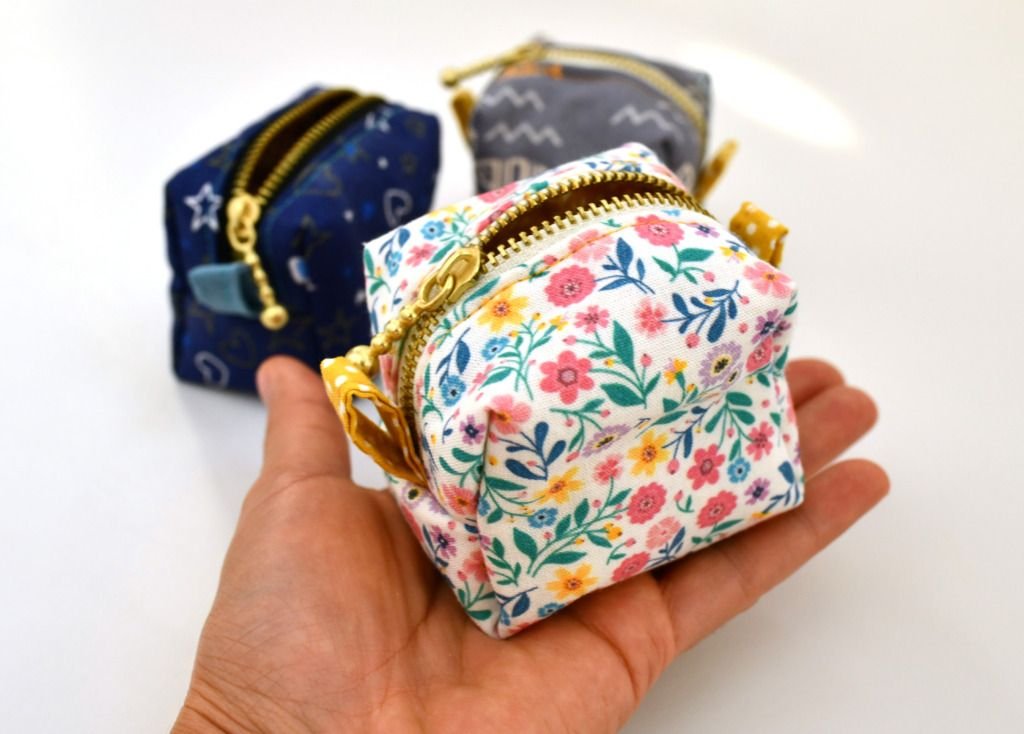
How to sew a mini zipper bag – Quilt Pattern is one of the most practical and creative projects you can try if you enjoy quilting and sewing. A small zipper bag is perfect for carrying makeup, coins, sewing supplies, or even as a thoughtful handmade gift. By combining the art of quilting with the functionality of a zipper pouch, you can create something unique that showcases your personality and sewing skills.
This type of project is beginner-friendly but still satisfying for experienced quilters. It teaches you how to work with zippers, how to assemble layers of fabric, and how to bring together color and texture in a functional item. Since it is a mini zipper bag, you don’t need large amounts of fabric, making it a great scrap-busting project. Plus, with the quilted finish, the bag will have durability and a beautiful handmade touch.
In this guide, we will explore step-by-step how to make your own zipper pouch using quilting techniques. You will learn how to cut the fabric, how to attach the zipper, and how to stitch everything together neatly. This article will cover different ideas, tips, and variations, so you can personalize your project. Let’s dive into the details of how to sew a mini zipper bag – quilt pattern and create something that is both stylish and useful.
Choosing the Right Materials for Your Mini Zipper Bag
The first step in any successful sewing project is selecting the right materials. For this particular project, you will want to choose fabrics that are not only beautiful but also functional. Quilting cotton is one of the most popular choices, as it is sturdy and easy to work with. You can also consider using linen blends or canvas for added strength.
When thinking about the lining of your zipper bag, consider fabrics that are lightweight yet durable. A cotton lining works well, but you can also experiment with waterproof lining if you want to create a pouch for makeup or travel toiletries. This will make your bag more versatile and long-lasting.
Another important material is the zipper itself. Since this is a mini bag, a zipper between 6 to 9 inches is typically ideal. Choose a color that complements or contrasts with your fabric design, depending on the look you want to achieve. Nylon coil zippers are easier for beginners compared to metal ones, as they are smoother to sew through.
You will also need batting or interfacing to give your zipper bag its quilted effect. Batting creates a soft and padded feel, while fusible interfacing gives structure and stability. Depending on your preference, you can even combine both for a sturdy yet cushioned finish.
Of course, don’t forget the basic sewing tools. A rotary cutter or sharp scissors will help you cut precise shapes, while pins or clips will hold your fabric layers in place. A sewing machine with a zipper foot is essential to make the process smoother and more professional.
By carefully selecting your materials before starting, you’ll ensure that your mini zipper bag turns out both functional and beautiful. Planning ahead prevents mistakes and makes the sewing process more enjoyable.
Cutting and Preparing Your Quilt Pattern Pieces
Once you’ve chosen your materials, the next step in how to sew a mini zipper bag – quilt pattern is cutting the fabric pieces. Accuracy is crucial here, as precise cuts lead to a neat and polished finished product.
Start by deciding on the size of your bag. Since it’s a mini bag, something around 6 inches wide by 4 inches tall is a common choice. Cut two outer fabric rectangles, two lining rectangles, and two batting or interfacing rectangles of the same size. This forms the basic structure of your bag.
If you want to add a patchwork design, you can cut smaller squares or strips and piece them together before quilting them onto the batting. This gives your bag a unique and personalized appearance, making it a true quilted piece instead of just a plain pouch.
Before sewing, it’s helpful to baste the outer fabric to the batting using safety pins or basting spray. This keeps everything in place while quilting. You can then add decorative stitches across the layers to create the quilted effect. Straight lines, diagonal patterns, or free-motion quilting all work beautifully depending on your style.
For the lining fabric, keep it simple and avoid quilting. This makes the inside smooth and functional. If desired, you can also add a small interior pocket for extra organization, which is a nice touch for a handmade bag.
Finally, make sure your zipper matches the width of your top edge. If it is too long, don’t worry—you can trim it later once it’s sewn in place. Preparing everything carefully at this stage ensures a smooth sewing process later.
Sewing the Zipper and Assembling the Bag
Now comes the exciting part: sewing the zipper into your quilted pieces. This step is often intimidating for beginners, but once you learn it, it becomes straightforward. Place your zipper face down on the right side of your quilted fabric, aligning the edges. Then place your lining fabric on top, creating a sandwich with the zipper in between.
Using a zipper foot on your sewing machine, carefully stitch along the edge. Once done, flip the fabrics so the zipper is exposed and press them flat with an iron. Topstitch along the seam to give it a neat finish and to prevent the lining from getting caught in the zipper teeth. Repeat this process with the other side of the zipper and the second quilted panel.
When both sides are attached, open the zipper halfway before sewing the bag edges together. This step is essential because it allows you to turn the bag right side out later. Place the outer quilted pieces right sides together and the lining pieces right sides together. Stitch around the edges, leaving a small opening in the lining bottom.
After sewing, trim any excess fabric from the corners to reduce bulk. Then, pull the bag right side out through the zipper and lining opening. Stitch the lining opening closed with a small seam, either by hand or machine. Finally, tuck the lining inside the bag and press it neatly.
At this point, you’ll have a fully functional mini zipper bag with a quilted finish. This technique can be repeated in different sizes and designs, giving you endless creative possibilities.
Decorating and Personalizing Your Mini Zipper Bag
Once the main structure of your bag is finished, you can get creative with decorations. Adding embellishments is a great way to personalize your project and make it stand out.
One simple option is to use fabric scraps to create appliqué designs on the outer fabric. Hearts, stars, or initials can add a fun and personal touch. You can also use embroidery to stitch names, flowers, or geometric designs directly onto the quilted surface.
If you enjoy using trims, consider adding lace, ribbons, or piping to the seams for extra detail. A decorative tassel or charm on the zipper pull can also enhance the overall look of the bag while making it easier to open and close.
Experiment with different quilting patterns to create unique textures. Diagonal grids, waves, or echo quilting can change the style of your bag dramatically. Mixing and matching fabrics, such as bold prints with solids, can also give a striking effect.
Another fun idea is to create themed zipper bags. For example, holiday fabrics for Christmas, floral fabrics for spring, or denim scraps for a casual everyday style. Handmade gifts like these are always appreciated and show extra thought and care.
Ultimately, decorating your mini zipper bag is where you can express your creativity. Don’t be afraid to experiment—quilting and sewing are about enjoying the process as much as the result.
How to sew a mini zipper bag – Quilt Pattern
1. Is sewing a zipper bag difficult for beginners?
Not at all. With clear steps and patience, even beginners can complete a zipper pouch. It’s a great way to practice sewing zippers and quilting techniques.
2. What size zipper should I use for a mini bag?
A zipper between 6 and 9 inches works well. If your zipper is longer, you can trim it after attaching.
3. Can I make the bag without quilting it?
Yes, but quilting adds durability and style. Without quilting, the bag will be softer and less structured.
4. Do I need special tools to sew a zipper bag?
Basic sewing tools and a sewing machine with a zipper foot are usually enough. Clips or pins also help when handling fabric layers.
5. What type of fabric is best for this project?
Quilting cotton is the most common choice. You can also use linen, canvas, or denim depending on your desired finish.
6. Can I wash my quilted zipper bag?
Yes, but always use gentle cycles and air dry to protect the zipper and quilting stitches.
7. How can I add extra compartments to my bag?
You can sew small pockets inside the lining before assembling the bag. This adds functionality and organization.
8. Can children learn to make zipper bags?
With supervision, yes. It’s a fun and educational project for kids learning to sew.
Learning how to sew a mini zipper bag – quilt pattern is a rewarding project that combines creativity with functionality. From choosing the right materials to quilting, sewing the zipper, and decorating your finished pouch, every step allows you to add your own personal touch. These small handmade bags make excellent gifts and are perfect for personal use too.
I hope this guide has inspired you to try making your own zipper pouch. Now I’d love to hear from you—what did you think of this tutorial? Share your honest opinion and let me know your suggestions for future sewing and quilting projects.