
Learning how to sew a Card Trick quilt block is both exciting and rewarding for quilters of all skill levels. Whether you’re just beginning your quilting journey or you’re a seasoned fabric artist, mastering the Card Trick block opens up a world of creative possibilities. The visual illusion of interlocking cards adds a dynamic element to any quilt project, making it a favorite among traditional and modern quilters alike.
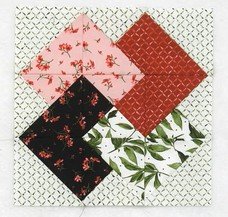
The Card Trick quilt block is a classic pattern that uses basic geometric shapes—mostly triangles and squares—to create the appearance of cards overlapping in a circular motion. Its appeal lies in the clever piecing and color placement that tricks the eye. Knowing how to sew a Card Trick quilt block properly ensures that your final product is crisp, aligned, and visually striking.
In this comprehensive guide, we will break down how to sew a Card Trick quilt block step-by-step. We’ll discuss fabric selection, cutting techniques, piecing methods, and assembly tips. By the end of the article, you’ll have a clear roadmap to create your own stunning quilt blocks with confidence and precision.
Choosing Fabrics and Preparing Materials
Selecting the right fabrics is the first crucial step in learning how to sew a Card Trick quilt block. This pattern works best with a mix of contrasting and coordinating fabrics. Typically, you will need four distinct fabrics for the “cards,” plus a background fabric to create the visual separation that gives the block its name.
Choose fabrics that contrast enough to highlight the “trick” aspect of the design. If all four fabrics are too similar, the card illusion can become muddy and unclear. Solid colors or subtle prints work well, but don’t be afraid to experiment with bold patterns for a more modern twist.
Before cutting, starching your fabric can help improve accuracy. Lightly starch each fabric piece and press it thoroughly to ensure it lies flat. This will make it easier to cut precise shapes and keep edges from fraying during assembly.
Use a rotary cutter, quilting ruler, and self-healing mat to cut your fabric pieces accurately. For a traditional 12-inch finished block, you’ll need a combination of 3 ½-inch squares, which will be later cut into half-square triangles (HSTs) and quarter-square triangles (QSTs). Accuracy is key in this step.
Labeling each fabric piece can help you stay organized. Since this block involves several similar shapes, having labeled pieces helps prevent mistakes during piecing. Consider using small sticky notes or fabric clips with letters to denote each color and its placement.
Remember to wash and press your fabrics before you begin cutting. This pre-treatment prevents shrinkage later and ensures your seams remain accurate after the final quilt is washed.
Cutting and Assembling the Triangles
Once your fabrics are prepared, the next step in learning how to sew a Card Trick quilt block is cutting the triangles that form the overlapping card shapes. This block primarily uses half-square triangles (HSTs) and quarter-square triangles (QSTs) to create its illusion.
Start by cutting four 3 ½-inch squares from each of your four “card” fabrics and from your background fabric. You’ll then cut many of these squares diagonally once to make HSTs, or twice to make QSTs. Be sure to maintain a consistent seam allowance—usually ¼ inch—for the best results.
When cutting for QSTs, remember that cutting a square twice diagonally creates four equal triangles. These will need to be handled carefully to avoid stretching, as the diagonal cuts are along the fabric bias and can easily warp.
Use a design board or flat surface to lay out all your triangles before sewing. This step is essential to visualize the finished block and helps ensure the colors are placed correctly. The Card Trick design has a specific rotation that, if pieced incorrectly, can disrupt the optical illusion.
Begin sewing the triangles into pairs, then into larger triangle units. Press seams carefully—either open or to one side, depending on your preference—and use pins to align seams accurately. Each section should measure correctly as you go; trimming dog-ears and edges will help maintain block size.
Once your triangle units are assembled, you can begin piecing the block together row by row. Double-check the orientation of each piece before sewing. A single misaligned triangle can throw off the entire illusion, so take your time and verify each step.
Finally, sew the rows together with care, making sure the points align properly. Press your final block from the back first, then gently from the front to set the seams. Your Card Trick quilt block is now ready to be added to a larger quilt or used on its own.
Troubleshooting Common Mistakes
Even experienced quilters make mistakes, so part of learning how to sew a Card Trick quilt block is knowing how to fix common errors. This block’s visual complexity can lead to misplacement or inaccurate seams, but most problems are easily corrected with a bit of patience.
One frequent issue is mismatched points. This usually occurs when seams aren’t aligned correctly during piecing. To avoid this, use pins or clips at every seam intersection, and check alignment before stitching. Pressing seams open can also reduce bulk and improve accuracy.
Another common mistake is stretching the bias edges of the triangles. Because many pieces in this block are cut on the bias, it’s easy to accidentally warp the shapes while handling. To prevent this, avoid tugging on fabric and use a light touch when pressing.
If you find your block isn’t finishing at the correct size (typically 12 ½ inches unfinished for a 12-inch block), double-check your seam allowances. Inconsistent ¼-inch seams will accumulate and alter the final dimensions of the block.
Sometimes, the fabric layout may not create the intended illusion. If the colors are too similar or placed in the wrong sequence, the card trick effect might disappear. Always test your layout on a design wall or with software before final assembly.
If you’ve already sewn the pieces and notice an error, don’t hesitate to use a seam ripper. It’s better to take a little extra time fixing a mistake than to regret it after the entire quilt is assembled.
Lastly, keep in mind that practice improves your precision. If your first Card Trick quilt block isn’t perfect, try again. Each attempt will help you master the technique and refine your eye for detail.
Creative Variations and Project Ideas
Once you understand how to sew a Card Trick quilt block, you can begin to explore creative ways to use it in your quilting projects. While traditionally made in a single block, this design lends itself to many unique interpretations and layouts.
Try using a monochromatic color palette to create a minimalist design. Varying shades of the same color can add depth while maintaining a clean, modern aesthetic. This is a great way to play with tone and texture without overwhelming the eye.
You can also create a rainbow effect by using vibrant, contrasting fabrics for each “card.” This approach makes each section pop and adds a playful, whimsical feel to the block. Great for children’s quilts or contemporary designs.
Consider enlarging the block for a bold centerpiece on a quilt or wall hanging. A supersized Card Trick quilt block can stand alone as a modern art piece, especially when paired with neutral or negative space.
Use the block repetitively across a quilt top to create a tessellated illusion. When placed edge-to-edge, Card Trick blocks interlock in fascinating ways, forming secondary patterns that enhance the overall visual interest.
Combine the Card Trick block with other traditional blocks like the Nine Patch or Flying Geese to build a more complex quilt top. Mixing blocks allows you to tell a story through fabric and opens up endless design possibilities.
Finally, think beyond quilts—use this block in pillows, tote bags, or table runners. Smaller projects let you experiment with colors and techniques without the commitment of a full quilt, making it perfect for gift-giving or decor.
How to Sew a Card Trick Quilt Block
What size is a standard Card Trick quilt block?
Most commonly, it’s made in a 12-inch finished size (12 ½ inches unfinished), but it can be resized depending on your project.
How many fabrics do I need for one Card Trick block?
You need four contrasting fabrics for the cards and one background fabric, making a total of five fabrics.
Is the Card Trick block good for beginners?
While not the easiest block, it’s approachable with practice. Accurate cutting and sewing are essential, so beginners should start slowly and double-check each step.
Do I need special tools to make this block?
Basic quilting tools like a rotary cutter, quilting ruler, and mat are sufficient. A design wall or board helps with layout.
Can I make this block without a sewing machine?
Yes, hand-sewing is possible, but it’s more time-consuming. Use small, tight stitches and maintain consistent seam allowances.
Why do my triangle points not align properly?
This is usually due to inconsistent seam allowances or misaligned edges. Use pins, press seams accurately, and trim as needed.
Now that you’ve learned how to sew a Card Trick quilt block, you’re equipped with the knowledge to create beautiful and intricate quilt designs that captivate the eye. From selecting fabrics and cutting precise triangles to assembling the illusion and exploring creative variations, each step brings you closer to mastering this timeless block.
As with all quilting skills, perfection comes with practice. Don’t be discouraged if your first few attempts aren’t flawless—each one teaches you something valuable. The more you work with this block, the more confident and creative you’ll become.
If you found this guide helpful, please consider leaving a sincere opinion or suggestion below. Your feedback helps improve content and inspire other quilters on their journey. Happy quilting!