
Pattern to make a patchwork baby quilt is one of the most charming and meaningful sewing projects for anyone who loves handmade crafts, and learning how to create one allows you to combine creativity, comfort, and practicality in a single piece. A handmade quilt becomes more than bedding — it often turns into a treasured family keepsake.
When working with a Pattern to make a patchwork baby quilt, you are not only sewing fabric pieces together but also building something filled with warmth and personality. Each fabric square can represent colors, memories, or themes chosen especially for a newborn, making the final quilt deeply personal and unique.
In this complete guide, you will learn how to understand, plan, cut, assemble, and finish a baby quilt step by step. We will explore fabric selection, layout ideas, sewing techniques, and finishing touches so you can confidently create a quilt that is both beautiful and durable.
Understanding the Basics of a Patchwork Baby Quilt Pattern
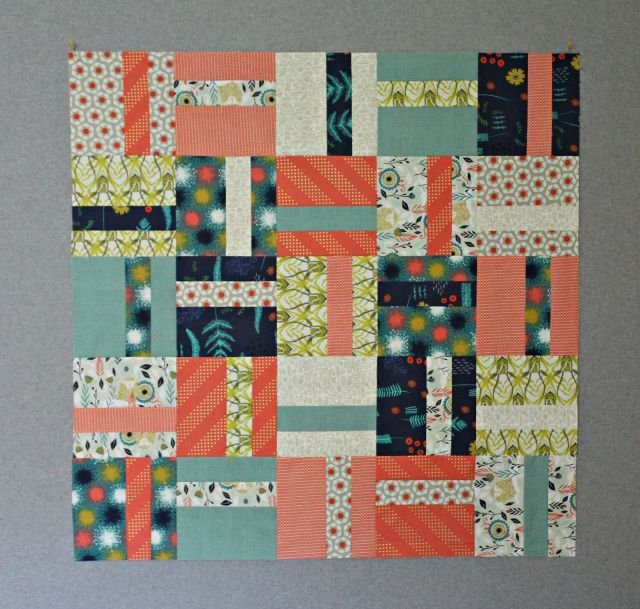
A Pattern to make a patchwork baby quilt usually begins with a layout that divides the quilt top into repeated fabric shapes, most commonly squares or rectangles. These pieces are stitched together to create the patchwork design.
Baby quilts are smaller than standard quilts, typically measuring between 30×40 and 40×60 inches. This manageable size makes them perfect for beginners because they require fewer materials and less sewing time.
Most patterns rely on simple geometry. Squares are especially beginner-friendly since they are easy to cut and sew with straight seams, reducing mistakes and saving time.
Another important concept is seam allowance. Quilters usually sew with a ¼-inch seam allowance, which ensures pieces line up correctly and the finished quilt keeps its intended size.
Color planning also plays a major role. Soft pastels, playful prints, animals, stars, and gentle textures are common in baby quilts, but modern designs also embrace bold color combinations.
Finally, patterns often include instructions for borders or frames around the quilt top. Borders help stabilize the design and give the quilt a finished, balanced appearance.
Choosing Fabrics and Materials for Baby Quilts
Selecting fabric is one of the most exciting steps when following a Pattern to make a patchwork baby quilt, since it defines the overall personality of the project.
Cotton fabric is the most popular choice because it is soft, breathable, washable, and safe for babies. High-quality quilting cotton also holds its shape well after repeated washes.
When choosing colors and prints, many quilters mix patterned fabrics with solid colors. This prevents the quilt from looking too busy while still maintaining visual interest.
Batting, the inner layer of the quilt, is another important component. Cotton or cotton-blend batting is commonly used for baby quilts because it remains soft and lightweight.
The backing fabric should also be comfortable and durable. Some crafters use flannel for extra softness, while others choose coordinating cotton prints for a polished look.
Finally, remember to prewash fabrics before sewing. Washing removes chemicals, prevents shrinkage, and avoids color bleeding after the quilt is finished.
Cutting and Assembling the Patchwork Pieces
Precision cutting is essential when working with a Pattern to make a patchwork baby quilt, since uneven pieces can cause alignment problems during assembly.
Using a rotary cutter, quilting ruler, and cutting mat greatly improves accuracy and speeds up the cutting process compared to scissors alone.
After cutting all fabric pieces, organize them according to the pattern layout. Many quilters lay pieces on a table or design wall to visualize the arrangement before sewing.
Assembly usually starts by sewing small sections together, often called blocks or rows. These are later combined to form the full quilt top.
Pressing seams after each step keeps fabric flat and ensures neat connections between pieces. Most quilters press seams to one side or alternate directions to reduce bulk.
Take your time during this stage. Careful sewing and pressing help create clean lines and professional-looking results even for beginners.
Quilting, Finishing, and Final Touches
Once the patchwork top is complete, the next step in the Pattern to make a patchwork baby quilt is layering. This involves stacking the quilt top, batting, and backing fabric together.
The layers are temporarily secured using pins or basting spray. This prevents shifting while quilting and keeps all layers aligned.
Quilting stitches hold the layers together. Simple straight-line quilting is ideal for beginners and complements patchwork designs without overwhelming them.
After quilting, trim excess batting and backing fabric to match the quilt edges. Clean edges prepare the quilt for binding.
Binding is the fabric strip sewn around the quilt’s edge. It protects the quilt and gives it a polished finish. Matching or contrasting binding can enhance the final look.
Finally, wash the quilt gently to soften it and create the slightly crinkled texture many people love in handmade quilts.
Common Questions About Patchwork Baby Quilts
1. What is the ideal size for a baby quilt?
Most baby quilts measure between 30×40 and 40×60 inches. This size works well for cribs, strollers, and tummy time, while remaining easy to carry and store.
2. How much fabric is needed to make a baby quilt?
Fabric requirements vary depending on the pattern, but many baby quilts can be completed with 1–2 yards of combined fabrics, plus additional fabric for backing and binding.
3. Is a patchwork baby quilt beginner-friendly?
Yes, especially when using square-based patterns. Straight seams and simple layouts make patchwork quilting one of the best beginner sewing projects.
4. How long does it take to complete a baby quilt?
A beginner might take several days or weekends, while experienced quilters can finish one in a single day depending on complexity.
5. Can I make a baby quilt without a sewing machine?
Yes, but hand sewing requires much more time and patience. A sewing machine significantly speeds up the process and improves seam consistency.
6. How should a baby quilt be washed?
Wash in cold water with mild detergent and dry on low heat or air dry. Avoid strong chemicals to maintain softness and color quality.
7. What designs are popular for baby quilts?
Classic patchwork squares, animals, stars, clouds, and pastel-themed layouts remain popular, but modern minimal designs and bold color combinations are also trending.
Learning to follow a Pattern to make a patchwork baby quilt allows anyone to create a beautiful handmade gift filled with warmth and personal meaning. In this guide, we explored how patterns work, how to select fabrics, how to cut and assemble patchwork pieces, and how to quilt and finish the final product with professional results.
With patience, creativity, and careful planning, even beginners can produce quilts that are both functional and emotionally meaningful. A handmade baby quilt often becomes a cherished keepsake, passed down or remembered long after childhood.
Now we would love to hear from you. Have you ever made a baby quilt or are you planning your first one? Leave your honest opinion and share your suggestions or experiences so others can learn and feel inspired to start their own quilting journey.