
A basic sewing tutorial for appliqués on dish towels is the perfect way to add a personal and creative touch to your kitchen. This technique allows you to transform simple dish towels into unique and decorative items that reflect your style. Whether you are new to sewing or already have experience, working with appliqués can be both enjoyable and rewarding.
In this guide, you will learn the steps needed to prepare your materials, cut and attach appliqué designs, and sew them securely to your dish towels. The goal is to keep the process simple while ensuring beautiful and lasting results. By practicing this technique, you not only improve your sewing skills but also create customized gifts or home décor that can brighten up everyday life.
This basic sewing tutorial for appliqués on dish towels is designed to be beginner-friendly but also detailed enough for those who want to refine their craft. With clear instructions and practical tips, you will discover that creating appliqués is not complicated—it is an art that blends creativity with functionality.
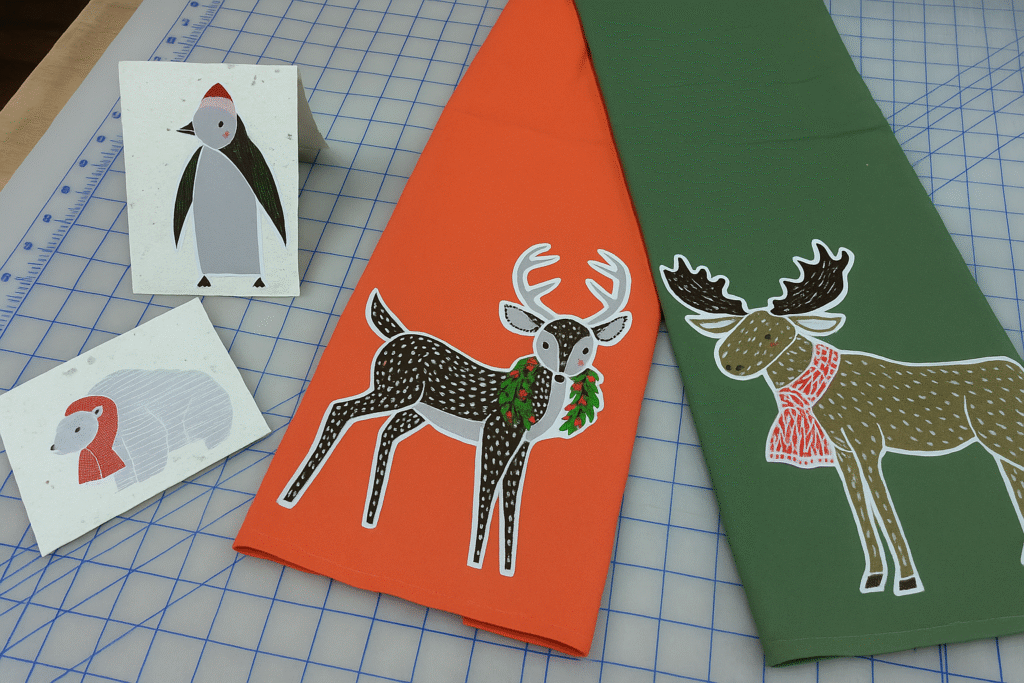
Preparing your materials for appliqués
Before starting this basic sewing tutorial for appliqués on dish towels, it is important to organize your materials. Having everything ready makes the sewing process easier and ensures that your appliqué designs turn out neat and professional.
The first item you will need is a set of clean dish towels. Cotton or linen dish towels work best because they are durable and easy to sew. Choose neutral or light-colored towels to make your appliqués stand out more clearly.
Next, select the fabric for your appliqué designs. Bright colors, floral patterns, or themed prints such as fruits or kitchen utensils are popular choices. Remember to use fabric that is washable and will not fray too easily. This guarantees that your project lasts through many washes.
You will also need basic sewing supplies such as sharp scissors, pins, an iron, and a sewing machine or hand-sewing needle. Using sharp scissors is especially important to cut clean edges for your appliqués. If you are using a sewing machine, choose a small zigzag or straight stitch for best results.
Fusible web or fabric adhesive can be very helpful in this step. It allows you to temporarily stick your appliqué pieces to the dish towel before sewing, preventing them from moving around. This ensures precision and makes the process less stressful.
Finally, gather matching or contrasting thread. Using thread that complements your appliqué fabric can create a polished look, while contrasting thread can add a decorative element. With these materials ready, you are prepared to begin your appliqué project.
Cutting and arranging appliqué designs
The next step in this basic sewing tutorial for appliqués on dish towels is cutting your chosen shapes and arranging them on the towel. This is where your creativity can shine.
Start by drawing or tracing your appliqué shapes onto the back of your fabric. You can use templates, cookie cutters, or even freehand sketches depending on the design you want. Popular choices include hearts, flowers, fruits, and kitchen-themed patterns like teapots or spoons.
Carefully cut the shapes with sharp fabric scissors. Taking your time here is essential to achieve clean lines that will look professional once stitched. Avoid rushing because uneven edges will be more noticeable after sewing.
Once your appliqué pieces are ready, place them on the dish towel to decide on the arrangement. Play around with different layouts until you find the balance that looks best. You can use one large design in the center or several smaller ones spread across the towel.
Using fusible web or fabric glue can help keep your appliqués in place. Simply iron the pieces onto the towel following the manufacturer’s instructions. This step secures the fabric temporarily until you finish sewing it.
At this stage, consider the overall design and color balance. Make sure the appliqués complement the towel rather than overwhelm it. A well-thought-out layout will make the final product visually appealing and professional.
Now that your appliqué designs are cut and arranged, you are ready to move on to the actual sewing process. This is the step where your dish towel will truly start to transform.
Sewing the appliqués onto dish towels
This part of the basic sewing tutorial for appliqués on dish towels focuses on stitching the fabric pieces securely. Sewing not only attaches the appliqués but also gives them a finished look.
If you are using a sewing machine, select a zigzag stitch or a small satin stitch. These options cover the raw edges of the fabric and prevent fraying. Adjust the stitch length and width according to the size of your appliqué pieces.
For those who prefer hand-sewing, a blanket stitch is an excellent choice. It creates a neat border while holding the appliqué firmly in place. Although hand-sewing takes more time, it adds a unique handmade charm to your project.
Start sewing slowly along the edges of your appliqué pieces. Keep the stitches close together for durability. Pay extra attention to curves and corners, turning the fabric gradually to keep the stitches smooth and even.
Matching thread can help your stitches blend in with the appliqué, while contrasting thread can create a bold decorative effect. Choose the option that fits your style and the look you want to achieve.
As you sew, check that the appliqué fabric is lying flat against the towel. Wrinkles or puckering can make the design look uneven. If needed, pause and smooth the fabric with your fingers before continuing.
Once all the appliqué pieces are stitched, give the dish towel a quick press with the iron. This final step helps flatten the stitches and gives the towel a polished, professional appearance.
Adding finishing touches and care tips
The final stage of this basic sewing tutorial for appliqués on dish towels is adding finishing details and learning how to care for your project so it lasts.
One option is to add decorative stitching around the edges of your appliqué. This can enhance the look and make the design more eye-catching. Decorative stitches like scallops or simple embroidery can personalize your dish towels even further.
You may also want to add embellishments such as buttons, ribbons, or lace. However, keep in mind that dish towels are used frequently, so choose decorations that are practical and can withstand washing.
To ensure your appliqué dish towels last, always wash them in cold water with mild detergent. Avoid harsh chemicals or bleach, as these can damage both the fabric and the thread. Line drying is recommended to maintain the integrity of the appliqué.
Iron the dish towels on a low to medium setting, especially if you have used fusible web. High heat may weaken the adhesive, so use caution when pressing directly on the appliqué.
If you are making these towels as gifts, consider packaging them nicely by folding them neatly and tying them with ribbon. Handmade items always carry a special touch, and presentation makes them even more meaningful.
By following these finishing tips, your appliqué dish towels will remain beautiful, functional, and long-lasting. They will brighten your kitchen and showcase your sewing skills with pride.
about appliqués on dish towels
1. What is an appliqué in sewing?
An appliqué is a decorative fabric piece sewn onto another fabric, often used to add designs or patterns without fully covering the base material.
2. Can I make appliqués without a sewing machine?
Yes, you can use hand-stitching methods such as blanket stitches or running stitches. Although it takes more time, it gives a handmade look to the project.
3. What fabrics are best for appliqués on dish towels?
Cotton fabrics work best because they are durable, washable, and easy to cut. Avoid very thick or slippery fabrics, as they can be harder to sew neatly.
4. How do I stop appliqué edges from fraying?
Using a zigzag or satin stitch helps cover the raw edges. You can also apply fusible web before sewing for extra reinforcement.
5. Can I wash dish towels with appliqués normally?
Yes, but use cold water and mild detergent. Avoid bleach and harsh chemicals to protect both the appliqué and the towel.
6. Are appliqué dish towels good as gifts?
Absolutely. They make thoughtful, handmade gifts that combine creativity with practicality, perfect for birthdays, holidays, or housewarming occasions.
This basic sewing tutorial for appliqués on dish towels has shown how simple materials and easy steps can transform plain dish towels into decorative and functional pieces. By preparing the right fabrics, arranging designs creatively, sewing with care, and applying finishing touches, you can create unique items that enhance your home and make wonderful gifts.
Now that you have learned the process, we would love to hear your opinion. What did you think of this tutorial? Share your suggestions and ideas to help make this guide even more useful for fellow sewing enthusiasts.