
How to Quilt Your Paper Patchwork Projects Using Hatching – Quilt Pattern is a creative and practical way to bring life to your handmade crafts. Quilting has always been a timeless art, blending textures, colors, and shapes into meaningful patterns that carry both beauty and function. When combined with paper patchwork, this craft becomes even more versatile, allowing creators to experiment with new designs while maintaining the structured discipline of quilting techniques.
One of the most appealing aspects of paper patchwork quilting is how it makes the process easier for beginners while still challenging enough for experienced quilters to enjoy. Adding hatching patterns into your quilting method provides depth, balance, and a unique visual rhythm to every finished piece. Whether you are working on small craft projects, decorative panels, or larger patchwork quilts, hatching offers a methodical way to stitch life into your work.
This article will guide you step by step, showing you how to quilt your paper patchwork projects using hatching and providing insights into why this technique works so well. Along the way, we will also explore quilting tips, creative ideas, and practical advice to help you achieve stunning results.
Understanding the Basics of Paper Patchwork Quilting
Paper patchwork quilting is a method that involves stitching fabric pieces over paper templates to ensure accuracy in shapes and alignment. The paper acts as a stabilizer, making it easier to piece together intricate designs without the worry of shifting fabrics.
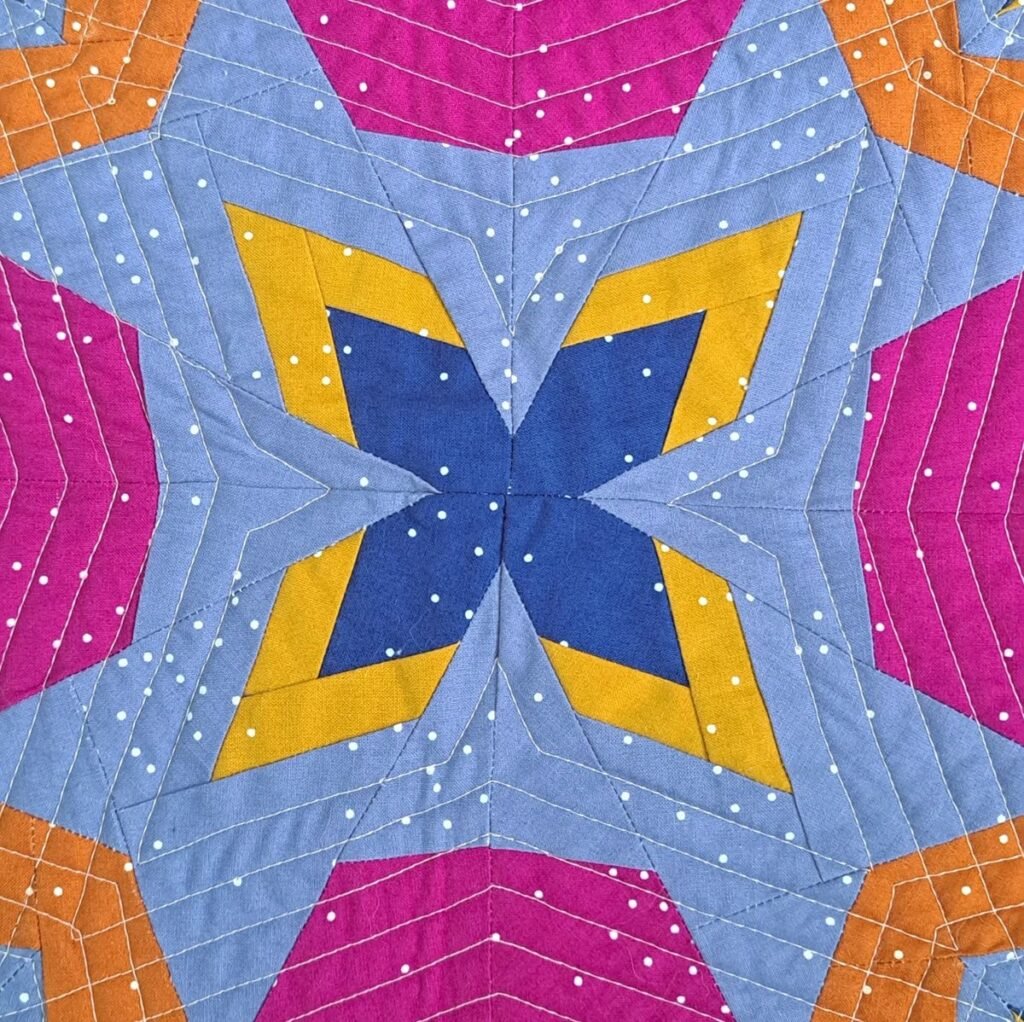
When incorporating hatching quilt patterns, the process becomes even more precise and decorative. Hatching refers to repeated parallel or crisscrossing lines of stitches that provide texture and dimension to the project. These lines not only add strength to the fabric but also give the final piece an artistic finish.
One of the main advantages of paper patchwork quilting is its flexibility. You can create detailed geometric designs, floral motifs, or even abstract compositions, all while maintaining clean edges thanks to the paper foundation.
For beginners, this technique is an excellent way to learn quilting without feeling overwhelmed. The templates act as your guide, ensuring consistent results as you work on each block. Experienced quilters, on the other hand, can push their creativity further by combining complex patchwork arrangements with intricate hatching stitches.
Another benefit is that paper patchwork reduces fabric waste. Since each piece is cut according to the paper pattern, you avoid unnecessary errors and ensure efficiency in your craft.
Finally, incorporating hatching into these quilts makes the design stand out, transforming a simple patchwork into a dynamic work of art with depth and movement.
The Role of Hatching in Quilt Patterns
Hatching in quilting is more than just a decorative choice; it’s a structural element that enhances durability. The repeated stitched lines reinforce the fabric and prevent wear over time, which is especially important for quilts meant to be used daily.
The technique involves sewing lines close together, either parallel or crossed at angles, creating textures that resemble drawn hatch marks. These lines create visual effects such as shading, movement, and balance, much like an artist uses hatching in sketching.
In the context of paper patchwork quilt patterns, hatching helps emphasize the structure of each block. It highlights shapes, guides the viewer’s eye, and brings a sense of rhythm to the overall design.
Hatching also gives quilters freedom of expression. You can use straight, diagonal, or curved hatch lines depending on the mood you want to convey. For example, straight lines create a clean and modern look, while diagonal or crisscross patterns feel dynamic and playful.
Another reason hatching is highly recommended is its adaptability. It can be applied to both traditional quilt designs and more contemporary or experimental styles, making it a universal technique for all quilting enthusiasts.
Most importantly, hatching offers a balance between function and creativity. While the stitches strengthen the quilt, they also bring personality and charm that make each project unique.
Step-by-Step Guide: How to Quilt Your Paper Patchwork Projects Using Hatching
To begin quilting with hatching, you need your paper templates, chosen fabric pieces, and the basic quilting tools such as needles, thread, scissors, and a sewing machine if preferred. Preparation is key to achieving clean, professional results.
First, cut your fabric pieces slightly larger than the paper template shapes. This allows you to fold and secure them neatly over the paper without gaps or uneven edges. Baste the fabric to the paper using temporary stitches or fabric glue to hold it in place.
Next, assemble your patchwork by stitching the fabric-covered paper templates together. This is where the precision of paper patchwork shines, as every piece aligns perfectly. Continue until your quilt block or desired pattern is complete.
Once the patchwork top is ready, remove the paper templates carefully. Place your quilt sandwich together: quilt top, batting, and backing fabric. Smooth out any wrinkles to prepare for the quilting stage.
Now comes the hatching quilting technique. Using your sewing machine or hand quilting method, begin stitching parallel lines across the quilt. Keep the lines evenly spaced for a uniform effect or vary the spacing for a more artistic approach.
Finish by binding the edges neatly to secure your quilt. At this point, you will notice how the hatching stitches bring depth, structure, and movement to the finished piece, transforming it into a quilt full of character.
Creative Ideas for Using Hatching in Patchwork Quilts
The beauty of hatching quilt patterns is that they can be customized to match your artistic vision. You can keep it simple or experiment with bold, unconventional designs.
One creative approach is to vary the thickness of your hatch lines. Use wider spacing for a light, airy effect or closer stitching for a dense, textured appearance.
You can also combine hatching with other quilting techniques such as echo quilting or stippling. This mix of textures creates a more dynamic surface, perfect for quilts intended as decorative pieces.
Another idea is to use contrasting thread colors. For instance, white thread on dark fabric makes the hatch lines pop, while tone-on-tone stitching creates subtle sophistication.
Try experimenting with curved hatching patterns. Instead of straight lines, use arcs or waves to soften geometric patchwork shapes, giving your quilt a flowing, organic feel.
Hatching is also excellent for thematic quilts. For example, diagonal hatching can give a modern vibe, while cross-hatching may remind viewers of vintage hand-drawn illustrations.
Lastly, remember that quilting is a personal expression. Use hatching to tell a story, highlight favorite fabrics, or simply enjoy the meditative process of repetitive stitching.
About How to Quilt Your Paper Patchwork Projects Using Hatching – Quilt Pattern
1. What is the purpose of using paper in patchwork quilting?
Paper templates provide stability and precision, helping quilters achieve accurate shapes and alignments, especially in complex designs.
2. How does hatching improve a quilt design?
Hatching adds texture, depth, and movement while reinforcing the fabric, making the quilt both decorative and durable.
3. Can beginners use the hatching method?
Yes, beginners can start with simple hatch lines. It’s an excellent introduction to quilting, offering both structure and creativity without overwhelming complexity.
4. What tools are essential for hatching quilt patterns?
Basic quilting supplies such as needles, thread, scissors, fabric, paper templates, and optionally a sewing machine are enough to get started.
5. Do I need special thread for hatching?
Not necessarily. Standard quilting thread works well, but you can experiment with different thicknesses and colors for creative effects.
6. How do I prevent fabric from shifting while quilting with hatching?
Proper basting and pinning are crucial. Ensure your quilt sandwich is smooth and secure before stitching.
7. Is hatching suitable for large quilts?
Absolutely. Hatching is scalable and works beautifully for both small projects and large bed-sized quilts.
8. Can hatching be combined with other quilting styles?
Yes, it blends well with techniques like echo quilting, stippling, or free-motion quilting for a richer design.
9. How long does it take to finish a quilt using hatching?
The time depends on the size of the quilt and the density of the hatch lines. Smaller projects may take hours, while larger ones may require weeks.
10. Is it possible to do hatching by hand instead of a machine?
Yes, hand quilting with hatching is entirely possible and adds a charming, personal touch to the finished quilt.
In this article, we explored how to quilt your paper patchwork projects using hatching – quilt pattern, from understanding the basics of paper patchwork to mastering hatching as a quilting technique. We also discussed step-by-step instructions, creative variations, and answered common questions to make your quilting journey easier and more enjoyable.
Quilting with hatching not only strengthens your projects but also transforms them into artistic pieces filled with character and depth. Whether you are a beginner or an experienced quilter, this method opens endless possibilities for creativity.
I’d love to know your thoughts on this guide. Have you tried quilting with hatching before, or are you planning to start now? Please share your honest opinions and suggestions—I value your feedback and ideas.