
Wheelchair Quilts – Quilt Pattern designs bring comfort, functionality, and beauty to those who use wheelchairs daily. Unlike traditional quilts, these pieces are specifically created to fit the dimensions of a wheelchair, ensuring they do not drag on the floor or get caught in the wheels. For many families, caregivers, and crafters, learning how to make a wheelchair quilt is not only a practical solution but also a heartfelt project that brings warmth and personalization into everyday life.
The art of quilting has always been about blending functionality with creativity. When adapted into a wheelchair quilt pattern, the project becomes even more meaningful, as it directly enhances someone’s quality of life. These quilts can be made in various styles, sizes, and colors, all while offering the same coziness and protection as a traditional quilt. Beyond their practical function, they also serve as a source of emotional comfort, reminding users that they are cared for and valued.
Many crafters today are searching for reliable ways to design wheelchair quilts that not only meet size requirements but also reflect the user’s personality. This is where learning about patterns, materials, and design options becomes essential. A well-thought-out pattern ensures the quilt fits perfectly, keeps the user warm, and adds a touch of beauty to their daily routine.
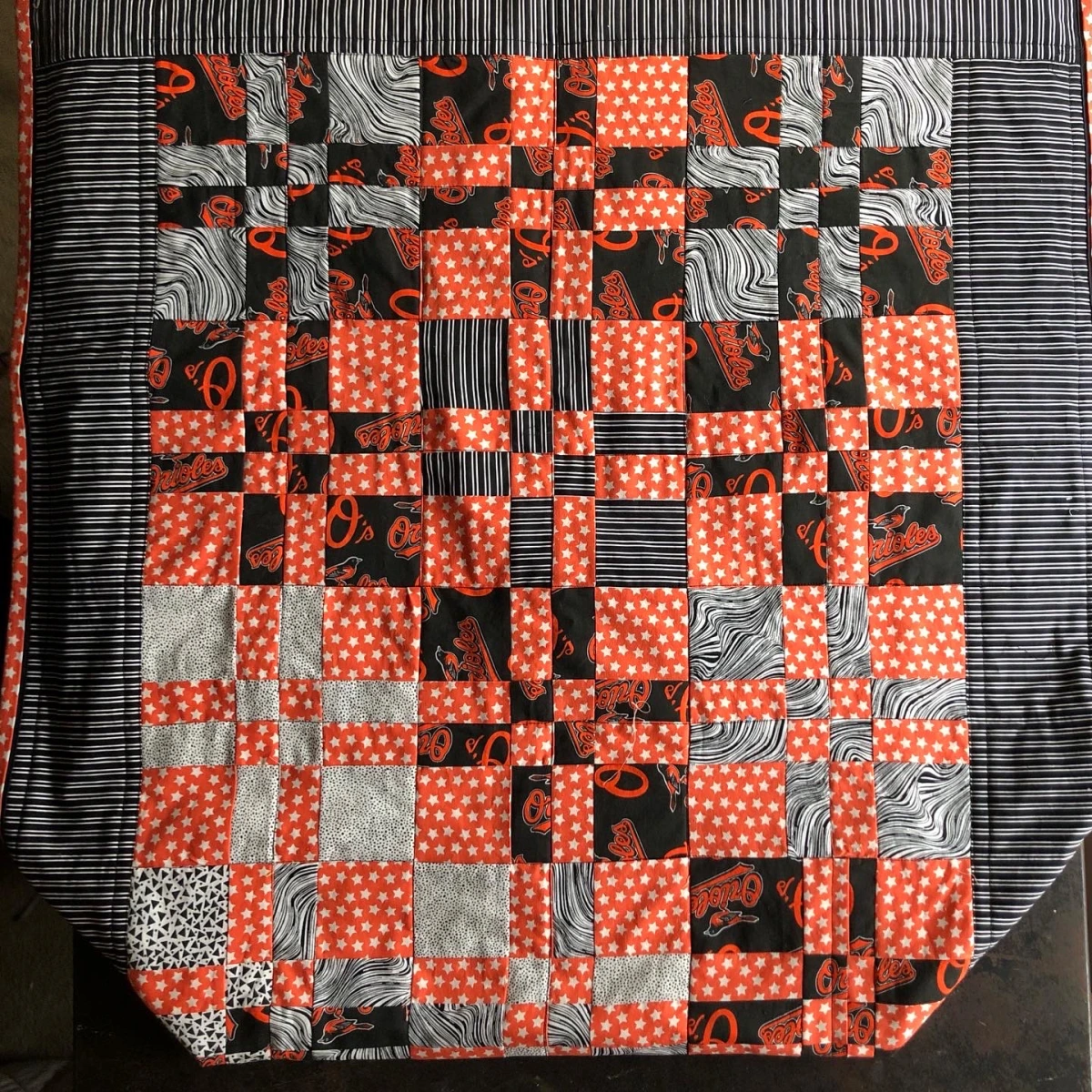
The Importance of Wheelchair Quilts
Wheelchair quilts are more than just smaller versions of traditional quilts. They serve an important role in providing warmth without bulk and in maintaining safety by preventing fabric from interfering with the wheels. These quilts are especially helpful during colder months or in air-conditioned environments where users need extra protection.
Another reason wheelchair quilts are important is their ability to bring emotional comfort. A quilt designed with a personalized quilt pattern allows family members or friends to create something unique for their loved ones. From choosing fabrics with favorite colors to incorporating meaningful motifs, these small details make the quilt special.
Care facilities and hospitals often welcome donations of wheelchair quilts, as they are always in demand. These quilts can bring a sense of home and personal care to medical settings, where patients might feel disconnected from their usual surroundings. With a custom wheelchair quilt pattern, volunteers and sewing groups can make a big difference in someone’s day.
From a design perspective, wheelchair quilts are also a great way for beginner quilters to practice. Because they are smaller in size, they require less fabric and are quicker to complete, yet still allow plenty of room for creativity. Many crafters enjoy experimenting with block designs, appliqués, or patchwork techniques while making these practical quilts.
In addition to warmth and comfort, wheelchair quilts also add a touch of dignity and style. Instead of covering up with bulky blankets that are difficult to manage, users can enjoy a quilt that fits them perfectly and looks beautiful at the same time. This thoughtful approach highlights why having a quilt pattern specifically for wheelchairs is so valuable.
Ultimately, wheelchair quilts combine functionality, aesthetics, and compassion. By following the right quilt pattern, anyone can create a gift that is both practical and deeply meaningful.
Choosing the Right Quilt Pattern
When starting a wheelchair quilt, the first step is selecting the correct quilt pattern. The size is crucial: most wheelchair quilts measure around 36 inches wide by 42 inches long, although the exact dimensions may vary depending on the user. A well-fitting pattern ensures the quilt covers the lap comfortably without dragging on the sides or wheels.
Patterns come in many styles, from simple patchwork squares to more advanced designs like log cabins or star blocks. Beginners often prefer straightforward patterns with large blocks, while experienced quilters may enjoy experimenting with intricate motifs. Regardless of the design, the key is to keep functionality in mind.
Another factor to consider is the fabric choice. Cotton is often the top choice for quilting because it is durable, breathable, and easy to work with. Pairing cotton with a soft backing, such as flannel or fleece, enhances comfort. When choosing fabrics for your wheelchair quilt pattern, avoid overly thick materials that might make the quilt heavy or stiff.
Color schemes are another exciting part of quilt design. Many users enjoy quilts that reflect their personality or favorite shades. Some crafters choose calming blues and greens, while others prefer bold, cheerful colors that brighten up a space. Matching the quilt to the user’s style makes the gift even more thoughtful.
Accessibility should always be at the forefront when selecting a quilt pattern. Patterns with fewer seams or bulky embellishments tend to be more comfortable for sitting long periods. The goal is to create a quilt that not only looks lovely but also serves the user’s needs effectively.
Finally, many quilters find joy in adapting traditional patterns into smaller wheelchair-friendly designs. This way, they can continue exploring their favorite quilting styles while tailoring the results to suit someone’s lifestyle. With just a few adjustments, almost any design can become a functional wheelchair quilt pattern.
Step-by-Step Tips for Making Wheelchair Quilts
Once you’ve chosen your wheelchair quilt pattern, the next step is the actual creation process. While quilting may seem intimidating to beginners, breaking it down into steps makes the journey enjoyable and manageable.
The first tip is preparation. Before cutting fabric, always wash and iron it to prevent shrinkage later. Accurate measuring and cutting are essential for clean lines and professional results. Using a rotary cutter and a self-healing mat can make this process much easier.
Second, focus on piecing the quilt top carefully. Follow your selected quilt pattern and take your time aligning seams. Pressing seams flat as you go helps the quilt top lie smoothly, giving a polished finish.
Third, consider the batting. Since wheelchair quilts are smaller, lightweight batting works best. This keeps the quilt warm but not overly heavy. Many crafters prefer cotton or polyester batting for these projects.
Fourth, think about quilting techniques. Straight-line quilting is simple yet effective for smaller projects. Free-motion quilting can also add creative flair, though it may require more practice. The quilting process not only secures the layers together but also adds texture and visual interest.
Fifth, binding the quilt is the final step. Carefully attaching the binding around the edges ensures durability and a clean appearance. Many crafters enjoy using contrasting fabric for binding to give the quilt a bold outline.
Lastly, remember that each quilt is unique. Even if you use the same wheelchair quilt pattern multiple times, the choice of fabrics, colors, and quilting styles will always make each piece special. Embrace imperfections as part of the handmade charm.
Creative Ideas and Personalization
One of the joys of making wheelchair quilts is the opportunity to add personal touches. Beyond following a basic quilt pattern, you can incorporate design elements that reflect the user’s personality, hobbies, or favorite themes.
Appliqué is a wonderful technique for adding unique designs. You can stitch flowers, animals, or even initials onto the quilt for a personal touch. This makes the quilt not only practical but also a keepsake.
Patchwork designs are another great option. By combining small pieces of fabric, you can create a quilt with visual variety and charm. Using fabric scraps from past projects can make the quilt even more meaningful.
Color symbolism can also play a role in personalization. For example, bright yellows can symbolize optimism, while calming blues bring relaxation. Tailoring color schemes to the user ensures the quilt feels truly special.
Adding pockets is another creative feature. Some crafters design wheelchair quilts with small built-in pockets for tissues, phones, or small personal items. This adds functionality beyond warmth and comfort.
Themed quilts are also popular. From seasonal motifs like snowflakes and autumn leaves to designs inspired by sports, music, or favorite animals, there are endless possibilities for creativity. Incorporating these ideas into a wheelchair quilt pattern ensures the quilt is both practical and personal.
Finally, remember that personalization does not have to be complex. Even simple details, like using fabric in the user’s favorite color, can transform a quilt into something meaningful and cherished.
What size should a wheelchair quilt be?
Most wheelchair quilts measure about 36 x 42 inches, but the size can be adjusted depending on the user’s needs and the wheelchair dimensions.
What is the best fabric for a wheelchair quilt?
Cotton is the most popular fabric for quilting because it is durable and easy to sew. Flannel or fleece backings can be added for extra softness and warmth.
Can I use any quilt pattern for a wheelchair quilt?
Yes, most quilt patterns can be adapted for wheelchair quilts by adjusting the size. However, avoid bulky embellishments or fabrics that may be uncomfortable.
Why are wheelchair quilts important?
They provide warmth, comfort, and safety for wheelchair users, while also offering emotional support through personalized and handmade designs.
Can wheelchair quilts be donated?
Yes, many hospitals, nursing homes, and care facilities welcome donations of wheelchair quilts, as they are always in demand.
Do I need advanced quilting skills to make a wheelchair quilt?
Not at all. Wheelchair quilts are smaller projects, making them perfect for beginners while still offering room for creative expression.
In this article, we explored the value and creativity behind Wheelchair Quilts – Quilt Pattern projects. From understanding their importance to selecting the right materials and adding personalized touches, making these quilts is both rewarding and meaningful. They provide warmth, safety, and emotional comfort, while also allowing crafters to express creativity and compassion.
Now I’d love to hear from you. What do you think about creating wheelchair quilts? Do you have ideas or suggestions for patterns, fabrics, or personalization? Share your honest opinions and creative suggestions—I’d be delighted to learn from your experiences!