
The Dresden Color Wheel Mug Rug Tutorial is a creative and inspiring project that combines color theory, quilting techniques, and functional design into one small yet beautiful piece. Whether you are a beginner exploring quilting for the first time or an experienced crafter looking for a quick and colorful project, this guide offers everything you need. A mug rug is the perfect way to practice your sewing skills, experiment with fabric choices, and create something that adds warmth and charm to your home.
This tutorial focuses on how to make a Dresden color wheel design, which is essentially a circle made up of fan-shaped fabric wedges. Each wedge can represent a different shade or tone, allowing you to explore the entire color spectrum in a single project. The process may look complex, but once broken down step by step, it becomes both manageable and enjoyable.
By following this Dresden Color Wheel Mug Rug Tutorial, you’ll not only learn how to assemble the classic Dresden plate but also how to transform it into a practical mug rug that protects your table while adding a touch of artistry. This project is a perfect mix of creativity and function, and it gives you the chance to play with fabrics, experiment with contrasts, and create a piece that reflects your personal style.
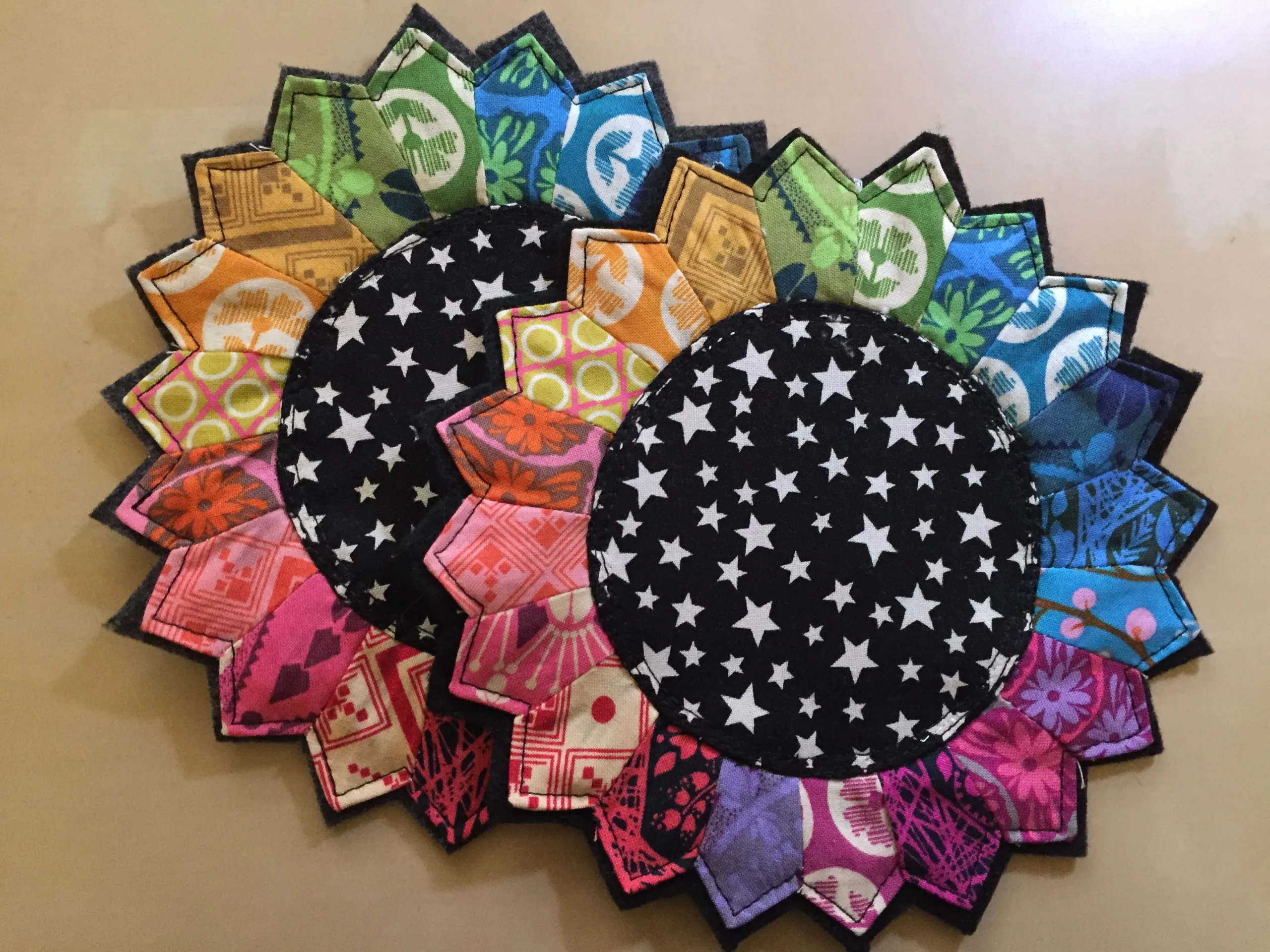
Understanding the Dresden Color Wheel
The Dresden color wheel is a design that comes from the classic Dresden plate quilting pattern. It is named after Dresden, Germany, where ornate floral and circular motifs were popular in decorative arts. The pattern uses wedge-shaped pieces of fabric that are sewn together to form a circle. Each wedge represents a piece of the color wheel, making it ideal for experimenting with vibrant combinations.
One of the advantages of using this pattern is that it allows you to work with many small fabric scraps. If you have a collection of leftover fabrics, the Dresden Color Wheel Mug Rug Tutorial is the perfect opportunity to bring them together into one unified project. The end result is not only colorful but also sustainable, as you reuse materials you already have.
In quilting, the Dresden plate is a versatile design because you can adjust the number of wedges depending on how detailed you want your circle to look. For a mug rug, a 12-wedge or 16-wedge circle usually works best, giving enough variety in color without being too complicated. This flexibility makes the Dresden Color Wheel Mug Rug Tutorial accessible to both beginners and advanced quilters.
When applying the concept of a color wheel, you have the chance to arrange your fabric pieces in rainbow order or experiment with other color theories such as complementary or analogous colors. This not only improves your sewing skills but also enhances your understanding of design and visual harmony.
The color wheel aspect makes this project stand out because it is more than just a mug rug—it becomes a learning tool and a piece of art. The thoughtful arrangement of colors ensures that each wedge flows seamlessly into the next, creating a cohesive and eye-catching design.
In short, understanding the foundation of the Dresden plate and how it connects with color theory is essential for successfully following this Dresden Color Wheel Mug Rug Tutorial. With this knowledge, you’ll be able to plan your fabrics and ensure your final piece is balanced and beautiful.
Materials and Preparation
Before you begin sewing, gathering the right materials is crucial. The beauty of the Dresden Color Wheel Mug Rug Tutorial is that you don’t need many supplies, and most of them may already be in your sewing room. The key is to prepare everything before starting, so the sewing process flows smoothly.
You’ll need a selection of fabric scraps in different colors to represent the sections of your color wheel. Cotton is recommended because it is easy to cut and sew, and it holds its shape well. A background fabric, preferably neutral like white, cream, or black, will help your colors pop.
A Dresden ruler or wedge template is the most important tool for cutting your fabric pieces accurately. If you don’t have one, you can create a paper template and trace it onto your fabrics. Accuracy is key because the wedges must fit together perfectly to form a smooth circle.
In addition to fabric, you will need batting and backing fabric to complete the mug rug. Batting provides thickness and absorbency, while the backing gives structure and durability. A coordinating thread will ensure neat stitching, while pins or clips will help keep your pieces aligned.
Preparing your fabric is equally important. Press each piece with an iron to remove wrinkles, and if possible, use starch to give extra stability. This small step makes cutting and sewing much easier.
Once your materials are gathered and prepared, you are ready to follow the steps outlined in the Dresden Color Wheel Mug Rug Tutorial and bring your vision to life.
Step-by-Step Construction
The heart of the Dresden Color Wheel Mug Rug Tutorial lies in the sewing process. Following each step carefully ensures that your mug rug turns out polished and functional.
Start by cutting your fabric wedges using the Dresden ruler or template. Make sure all wedges are the same size to ensure they fit together seamlessly. For a balanced color wheel, cut an equal number of warm and cool colors.
Next, fold each wedge in half lengthwise with right sides together, and sew across the wide end. Turn the wedge right side out and press the point flat. This creates the petal-like shape that gives the Dresden plate its distinctive look.
Once all wedges are prepared, arrange them in a circle following the order of the color wheel. Experiment with placement until you are satisfied with the flow of colors. Pin or clip them together, and then sew them in pairs before assembling the entire circle.
After sewing the wedges into a full circle, press the seams flat. Place the completed Dresden plate onto your background fabric, centering it carefully. Use appliqué stitches or topstitching to secure the plate to the background.
Add batting and backing to your project, creating a quilt sandwich. Quilt as desired, either by stitching in the ditch along the wedge seams or by adding decorative quilting patterns. This not only secures the layers but also enhances the visual texture.
Finally, finish the mug rug with binding. Choose a binding fabric that complements your color wheel, and sew it neatly around the edges. Once bound, your mug rug is ready for use. The result is a colorful, practical, and artistic creation.
Tips for Customization and Creativity
While the Dresden Color Wheel Mug Rug Tutorial provides a structured approach, there are endless ways to customize your project. Creativity is what makes each mug rug unique and personal.
One option is to play with fabric patterns. Instead of solid colors, try using prints that still follow the color wheel order. Florals, geometrics, or novelty prints can add character while maintaining harmony.
Another idea is to vary the number of wedges in your Dresden plate. More wedges create a detailed, intricate look, while fewer wedges give a bold, modern feel. This flexibility allows you to match the mug rug to your personal style.
You can also experiment with the background fabric. A dark background makes bright colors pop, while a light background gives a soft, airy effect. Choosing the right background can dramatically change the overall impression of your mug rug.
Adding embellishments is another creative path. Consider stitching decorative threads, adding embroidery in the center, or even sewing a button or fabric circle as a focal point. Small touches like these elevate the design.
If you are making multiple mug rugs as gifts, you can personalize each one by choosing colors that reflect the recipient’s preferences. This makes the project meaningful and memorable.
Ultimately, the Dresden Color Wheel Mug Rug Tutorial is not just about following steps—it’s about using your imagination to create something beautiful and one-of-a-kind.
What is a Dresden Color Wheel Mug Rug?
It is a small quilted mat designed to hold a mug, featuring the Dresden plate pattern arranged like a color wheel. It combines quilting techniques with color theory for a functional and decorative item.
Do I need a special ruler for this project?
A Dresden ruler makes cutting faster and more accurate, but you can create a paper template if you don’t have one. The key is keeping the wedges uniform.
Can beginners follow this tutorial?
Yes, the Dresden Color Wheel Mug Rug Tutorial is beginner-friendly. While it involves precision, the steps are simple and manageable with practice.
What size should my mug rug be?
Most mug rugs measure between 6 to 8 inches in diameter. The size depends on how many wedges you include and how large you cut them.
What fabrics work best for this project?
Cotton fabrics are recommended because they are easy to sew and press. Using scraps makes the project affordable and sustainable.
Can I quilt the mug rug by hand?
Absolutely. Hand quilting adds a personal touch, although machine quilting is faster. Both methods produce beautiful results.
The Dresden Color Wheel Mug Rug Tutorial brings together quilting tradition, color exploration, and practical design in one enjoyable project. By learning how to cut wedges, assemble a Dresden plate, and finish it into a mug rug, you not only gain sewing skills but also create something useful and artistic. This project is perfect for beginners wanting to practice or advanced quilters seeking a fun, colorful challenge.
Now that you’ve explored the entire process, from materials to customization, what do you think? Share your honest opinion and suggestions—I’d love to hear how your own Dresden color wheel mug rug turns out and what creative variations you try.