
The Double Windmill Block is a timeless quilt design that continues to capture the hearts of quilters around the world. Known for its symmetry, movement, and creative versatility, this block adds a dynamic sense of motion to any quilt project. Whether you are a beginner or an experienced quilter, mastering the Double Windmill Block opens up endless possibilities for creating bold and visually stunning designs.
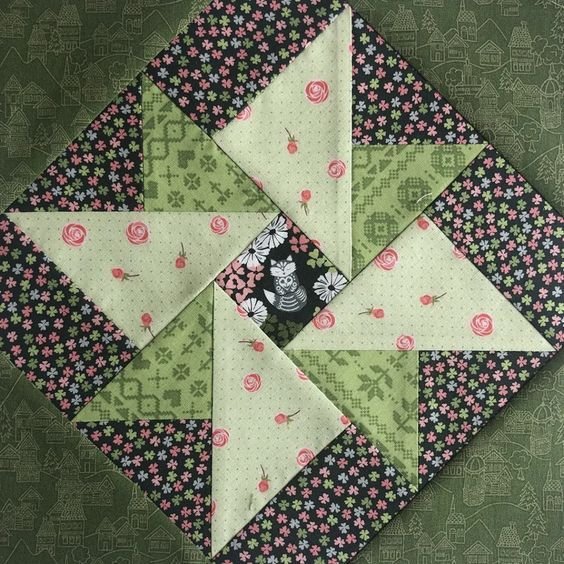
At its core, the Double Windmill Block is a variation of the classic windmill quilt block, but with an added layer of complexity that enhances its charm. Its geometric arrangement creates the illusion of spinning blades, giving quilts an energetic and lively appearance. Because of its unique design, it is often used as a focal block in larger quilts or repeated in patterns to create an eye-catching effect.
This block has become especially popular among modern quilters who enjoy mixing traditional layouts with vibrant fabrics and bold color contrasts. By learning how to construct the Double Windmill Block, you not only add a valuable technique to your quilting skills but also gain a tool that can transform simple fabric pieces into sophisticated and artistic creations.
The History and Origins of the Double Windmill Block
The Double Windmill Block has roots in traditional quilting but has evolved over time to suit contemporary tastes. Historically, windmill-inspired patterns were used to symbolize energy, movement, and progress. These motifs often appeared in quilts made in rural areas where windmills were a common part of everyday life. Over the years, quilters began experimenting with variations, leading to the creation of the Double Windmill Block, which doubled the impact of the original design.
In the 19th and early 20th centuries, quilters used scraps of fabric left over from clothing and household textiles to construct their blocks. The Double Windmill Block was a favorite because it allowed quilters to showcase contrasting fabrics in an artistic way. This practical yet visually appealing approach made it a cherished block in many American households.
Today, the block retains its historical charm but is often given a fresh update with modern fabrics, bold prints, and striking color palettes. Quilters love the flexibility it offers—whether the goal is a vintage-inspired quilt or a contemporary masterpiece. The Double Windmill Block connects tradition with innovation, making it one of the most versatile designs in quilting.
Many quilting enthusiasts also enjoy the storytelling aspect of this block. Since quilts often serve as family heirlooms, the Double Windmill Block carries a symbolic meaning of resilience, energy, and continuity. Its rotating form represents movement forward, which resonates with people who see quilting as both an art and a reflection of life’s journey.
Another reason the block remains so popular is its adaptability. While its traditional version relies on sharp contrasts to highlight the “blades” of the windmill, modern quilters have reimagined it with gradients, subtle prints, and even monochromatic color schemes. This adaptability ensures the Double Windmill Block will remain a staple in quilting for generations to come.
Finally, the block is a perfect example of how quilting combines artistry with mathematics. The geometric precision needed to make the pieces fit together reflects both craftsmanship and creativity. For quilters who love balance and symmetry, the Double Windmill Block provides a rewarding challenge that results in breathtaking outcomes.
How to Make a Double Windmill Block
Creating the Double Windmill Block may seem complex at first glance, but with the right steps and a little practice, it becomes a manageable and enjoyable process. The key is careful cutting, precise piecing, and thoughtful fabric selection.
The block usually begins with half-square triangles and rectangles that form the core windmill structure. By arranging these pieces in a mirrored and rotated fashion, you create the double-spinning effect. Many quilters recommend using a design wall or laying out the pieces on a flat surface before sewing to ensure accuracy.
Fabric choice plays a crucial role in highlighting the Double Windmill Block design. Strong contrasts—such as light against dark or complementary colors—make the blades stand out, while softer, blended tones create a more subtle spinning illusion. Depending on your quilting style, you can experiment until you find the combination that best expresses your vision.
Once the pieces are laid out, accurate stitching is essential. Maintaining a consistent quarter-inch seam allowance ensures that the block aligns properly. Pressing seams carefully also contributes to a polished finish, preventing bulk at the center of the windmill. Many quilters recommend pressing seams open for a flatter result.
It’s important to square up your block after piecing. This ensures uniformity when assembling the quilt top, especially if you are combining the Double Windmill Block with other block types. Precision at this stage avoids frustration later when joining rows and columns.
For beginners, starting with larger block sizes makes the process easier to manage. As you gain confidence, you can try smaller, more intricate versions of the Double Windmill Block to add variety and detail to your quilts.
Creative Variations and Design Ideas
One of the reasons the Double Windmill Block remains so beloved is its versatility. Quilters can easily adapt the design to suit their creative goals, whether for traditional quilts, modern projects, or experimental layouts.
Color is one of the most effective ways to reinvent this block. Using high-contrast fabrics, such as black and white or bright and muted tones, creates bold visual movement. On the other hand, using a monochromatic palette allows the spinning effect to appear more subtle and sophisticated.
Another approach is playing with scale. Large Double Windmill Blocks can become statement pieces in quilts, while smaller versions can be used in borders or as accents. Mixing different block sizes within the same quilt adds visual interest and complexity.
Fussy cutting is also a popular technique with this block. By carefully placing patterned fabrics, quilters can create unique effects within the blades of the windmill. Florals, geometrics, and novelty prints all bring a distinct personality to the Double Windmill Block.
For modern quilters, negative space can be a powerful design tool. Surrounding the block with solid fabrics emphasizes its spinning design and gives the quilt a contemporary feel. This approach is especially popular in minimalist quilting styles.
Finally, combining the Double Windmill Block with other traditional blocks opens up endless design opportunities. Pairing it with star blocks, pinwheels, or nine-patch blocks can produce striking quilts that blend multiple patterns seamlessly.
Tips for Success with the Double Windmill Block
While the Double Windmill Block is accessible to quilters of all skill levels, certain tips can make the process smoother and more enjoyable. Following these guidelines helps ensure your blocks turn out accurate and beautiful every time.
First, always prewash and press your fabrics before cutting. This prevents shrinking and distortion later on, ensuring your block maintains its shape. A crisp, smooth fabric is much easier to cut and sew accurately.
Second, invest in a quality rotary cutter, ruler, and cutting mat. Precision cutting is essential for the Double Windmill Block, and sharp tools make the process both faster and more reliable.
Third, practice chain piecing whenever possible. This technique speeds up the process by sewing multiple units at once, keeping the workflow efficient while maintaining consistency across your blocks.
Fourth, do not underestimate the importance of pressing. Whether you press seams to the side or open, consistent pressing creates flatter seams and helps the block pieces fit together perfectly.
Fifth, take your time with color placement. Before committing to sewing, experiment with different layouts by moving fabric pieces around. Sometimes even a small change in placement can significantly improve the final look of your Double Windmill Block.
Lastly, patience and practice are your best tools. The more blocks you create, the more natural the process will feel. Over time, you’ll develop your own techniques and preferences that make working with the Double Windmill Block both efficient and rewarding.
the Double Windmill Block
What is the Double Windmill Block in quilting?
It is a quilt block design featuring mirrored and rotated shapes that create the illusion of two spinning windmills in one block.
Is the Double Windmill Block suitable for beginners?
Yes, while it may look complex, beginners can start with larger block sizes to simplify the process. With practice, it becomes much easier to construct.
What fabrics work best for the Double Windmill Block?
High-contrast fabrics highlight the spinning design, while softer color schemes create a more subtle effect. Solid colors, prints, and even novelty fabrics can all be used effectively.
How do I keep my Double Windmill Block from distorting?
Use accurate cutting, maintain a consistent seam allowance, and press seams carefully. Squaring up the block after sewing also helps maintain precision.
Can the Double Windmill Block be combined with other quilt blocks?
Absolutely. It pairs beautifully with stars, pinwheels, and nine-patch blocks, adding variety and dimension to quilt designs.
What size should I make the Double Windmill Block?
It depends on your project. Larger blocks work well for bold statements, while smaller ones add detail and texture to quilts. Beginners may prefer starting with larger versions.
The Double Windmill Block is a classic quilting design that combines tradition, artistry, and creativity. From its historical roots to its modern applications, this block continues to inspire quilters around the world. With its dynamic spinning effect and adaptability, it is a valuable addition to any quilter’s repertoire.
If you’ve been inspired by this article, why not try making your own Double Windmill Block? Practice, experiment with colors, and enjoy the creative journey. We’d love to hear your sincere opinions and suggestions about this quilting technique—share your thoughts and let us know how you plan to use this design in your next project!