
Learning how to create a patchwork Susplat is a rewarding journey for anyone who loves sewing, quilting, or crafting decorative items for the home. This project combines the beauty of traditional patchwork with the functionality of a decorative placemat, known in many cultures as a Susplat. By bringing together small pieces of fabric, you can design a unique table accessory that adds warmth, charm, and personality to your dining space.
The art of patchwork has been practiced for centuries, often as a way to repurpose fabric scraps into something beautiful and functional. When you apply this technique to a Susplat, you transform your dining table into a creative showcase. Not only does the piece protect surfaces, but it also tells a story through color choices, patterns, and textures. Each patchwork Susplat becomes a one-of-a-kind work of art.
For beginners, understanding how to create a patchwork Susplat might seem challenging at first, but with the right steps, patience, and creativity, anyone can achieve beautiful results. Whether you want a rustic farmhouse look, a modern geometric design, or a vintage-inspired pattern, patchwork allows for endless possibilities. This article will guide you step by step, offering useful tips, techniques, and insights to help you succeed in your project.
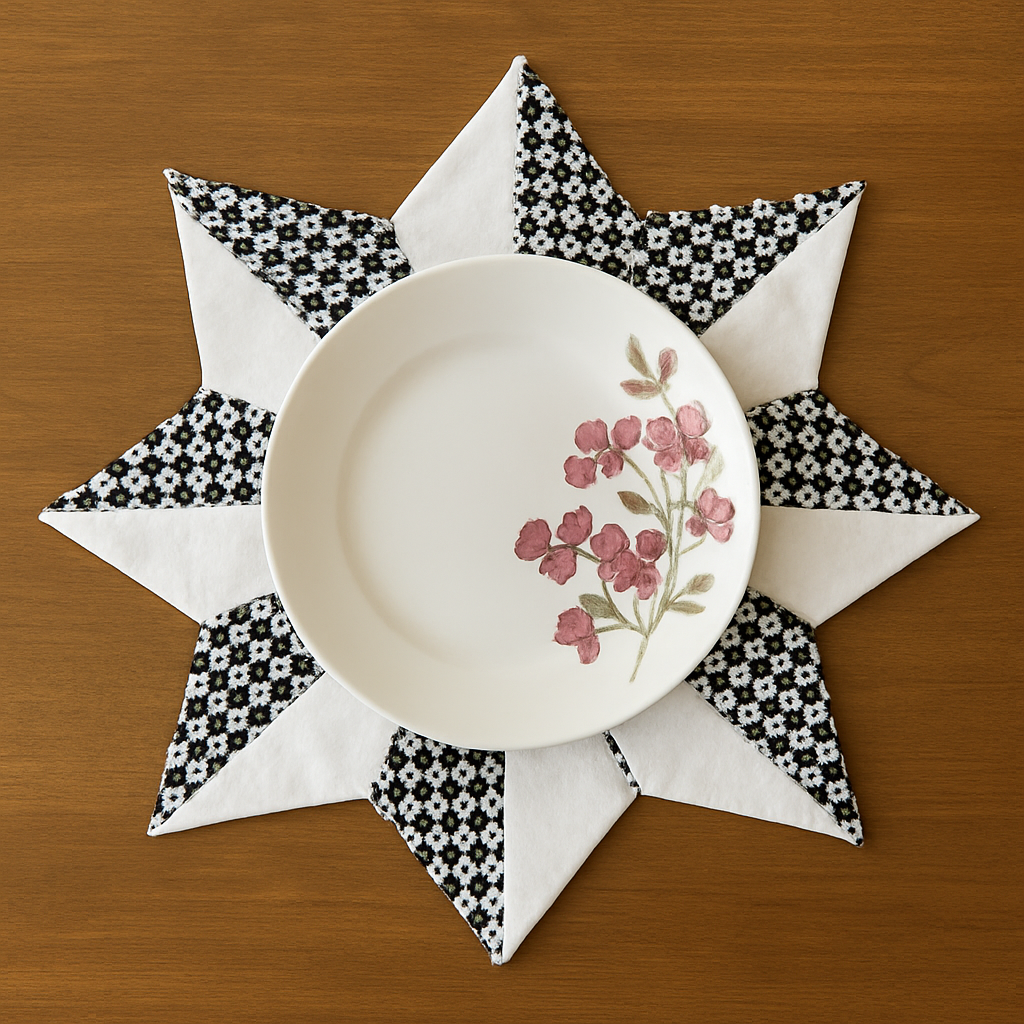
Choosing Fabrics and Materials for Your Patchwork Susplat
The first step in how to create a patchwork Susplat is selecting the right fabrics. Since this item will often be placed on dining tables, durability and washability are essential factors. Cotton fabrics are a classic choice because they are easy to sew, soft to the touch, and available in endless prints and colors.
Another key consideration is the color palette. For a cohesive look, you may want to choose fabrics in complementary shades, such as blues and whites for a nautical theme or earthy tones for a cozy rustic atmosphere. If you prefer a bolder statement, contrasting bright colors can make your patchwork Susplat stand out. Always keep in mind the style of your dining area when making fabric choices.
Besides fabric, you will need essential tools: a rotary cutter or scissors, a self-healing cutting mat, and a quilting ruler. These tools ensure precise cuts, which are crucial for aligning your patchwork pieces neatly. A sewing machine makes the process faster, but hand-sewing is also possible for those who enjoy a more traditional approach.
Don’t forget batting or interfacing. Adding a thin layer of batting between the top and bottom layers of fabric provides a soft, quilted feel and extra thickness. This not only improves durability but also adds a professional finish to your patchwork Susplat.
Thread selection is another important detail. Neutral threads blend easily with most fabrics, while colorful threads can create decorative stitching that enhances the overall look. Choose high-quality threads to avoid breakage during sewing.
Finally, prepare binding fabric to finish the edges of your Susplat. Binding not only secures the layers together but also frames your design beautifully. With careful fabric and material choices, you set a strong foundation for your project.
Cutting and Arranging the Patchwork Pieces
Once your materials are ready, the next step in how to create a patchwork Susplat is cutting your fabric into pieces. Traditional patchwork often involves squares, rectangles, or triangles. The size of your pieces will determine how detailed and intricate your final design will be. Smaller pieces create a more complex pattern, while larger pieces highlight fabric prints more clearly.
Accuracy in cutting is vital. Even a small misalignment can cause seams to shift and disrupt the design. Always measure twice before cutting, and use a sharp rotary cutter to achieve clean, straight edges. Consistency in size ensures that pieces fit together seamlessly.
Arranging the pieces before sewing helps visualize the final design. Lay them out on a flat surface and experiment with different placements. This is where your creativity shines—mixing colors, prints, and textures to form unique combinations. Don’t be afraid to rearrange until you find the perfect balance.
Some people prefer symmetrical arrangements for a neat and orderly look, while others enjoy random placements that create a more dynamic, artistic effect. Both approaches can produce beautiful results, depending on your personal style and dining décor.
Once you are satisfied with the arrangement, take a photo or sketch a quick diagram. This reference helps maintain your chosen layout during the sewing process, ensuring that the final product reflects your vision.
Remember that the process of arranging is not just about aesthetics but also about storytelling. Each piece of fabric can represent a memory, a favorite color, or even recycled material from old garments. Your patchwork Susplat can become a meaningful heirloom with sentimental value.
Sewing and Assembling the Patchwork Susplat
Now comes the exciting part of how to create a patchwork Susplat: sewing and assembling the pieces together. Begin by sewing small units, such as pairs of squares or strips, using a quarter-inch seam allowance. Consistency in seam width is crucial for keeping the patchwork aligned.
Press the seams after each row of stitching. Use an iron to flatten the fabric, pressing seams either open or to one side, depending on your preference. This step ensures smoother assembly and a cleaner final look. Never skip pressing—it makes a huge difference in quilting projects.
Continue sewing units together until the top panel of your Susplat is complete. At this stage, you’ll notice the design taking shape, with all the colors and patterns coming together into a cohesive surface. It’s a rewarding moment that reflects your effort and creativity.
Next, layer the quilt sandwich: place the backing fabric right side down, batting in the middle, and the patchwork top on top, right side up. Pin the layers together to prevent shifting during quilting.
Quilting stitches can be simple straight lines or decorative free-motion patterns. They not only secure the layers but also enhance the overall design. For beginners, stitching in the ditch (sewing along the seams) is an easy and effective method.
Finally, attach the binding around the edges. Fold the binding neatly, miter the corners, and stitch it securely in place. This step gives your patchwork Susplat a polished, professional finish, ready to decorate your dining table.
Styling and Using Your Patchwork Susplat
Once you’ve mastered how to create a patchwork Susplat, it’s time to enjoy the results. Styling your dining table with handmade pieces instantly adds personality and warmth to any meal. A Susplat can be used as a placemat under plates, as a decorative base for centerpieces, or even as a small mat for serving dishes.
The versatility of patchwork designs means you can create sets that match different seasons or occasions. For example, floral prints work beautifully for spring gatherings, while deep reds and greens bring a festive holiday feel. Having a variety of Susplats allows you to change your décor easily throughout the year.
Another advantage is the eco-friendly aspect. By reusing fabric scraps, you reduce waste and contribute to sustainable living. Creating patchwork Susplats is not only a creative hobby but also a responsible choice for those who care about the environment.
These handmade pieces also make thoughtful gifts. Friends and family will appreciate the time, effort, and care that go into creating something unique. Pair a set of Susplats with matching napkins for a personalized present.
To maintain your Susplats, wash them gently in cold water and air dry to preserve the fabrics and stitching. With proper care, they can last for years, continuing to brighten your dining space with charm and character.
Ultimately, using a patchwork Susplat is about more than functionality—it’s about celebrating creativity, tradition, and personal expression in everyday life.
on How to Create a Patchwork Susplat
What is a patchwork Susplat?
A patchwork Susplat is a decorative placemat created using small fabric pieces sewn together in a quilted design. It combines the art of patchwork with the functionality of a dining accessory.
Do I need a sewing machine to make a patchwork Susplat?
While a sewing machine makes the process faster and more precise, you can also hand-sew a Susplat. Hand stitching takes more time but adds a personal touch.
What size should a Susplat be?
Typical placemats measure around 12×18 inches, but the size of a Susplat can vary depending on personal preference and table size.
Can I use fabric scraps for this project?
Yes, fabric scraps are perfect for patchwork projects. They allow for creative combinations while reducing fabric waste.
How do I keep my patchwork Susplat looking neat after washing?
Wash gently in cold water, use mild detergent, and air dry. Iron on low heat to keep the fabrics flat and vibrant.
Is quilting necessary for a Susplat?
Quilting stitches help hold the layers together and add texture. While not strictly necessary, quilting greatly improves durability and appearance.
In this article, we explored how to create a patchwork Susplat, from choosing fabrics and cutting pieces to sewing, assembling, and styling the final product. By following these steps, you can craft unique and durable placemats that enhance your dining experience while showcasing your creativity.
Now it’s your turn: what design would you choose for your patchwork Susplat? Share your honest opinion and suggestions—I’d love to hear your thoughts and ideas to inspire future projects.