
The Interlocking O’s Quilt Block is a timeless design that combines both tradition and modern appeal. This pattern is loved by quilters worldwide for its versatility, clean lines, and the bold statement it makes in quilts of any size. With its geometric precision and the visual illusion of linked circles or rings, this block has captured the imagination of those who enjoy combining creativity with structure in quilting projects.
Creating the Interlocking O’s Quilt Block requires attention to detail, yet it remains approachable even for intermediate quilters. The beauty of this block lies in its adaptability—whether you use solid fabrics for a minimalist look or vibrant prints for a lively design, the end result is always striking. Its interlocking shapes represent unity and connection, making it not just a pattern but a symbolic piece of textile art.
In modern quilting, the Interlocking O’s Quilt Block stands out as a design that balances complexity with clarity. Unlike overly intricate blocks that may intimidate beginners, this pattern strikes a perfect balance, allowing quilters to practice precision piecing while also producing a visually rewarding outcome. Before diving into the step-by-step aspects, it is essential to understand the history, applications, and creative potential that come with this celebrated block.
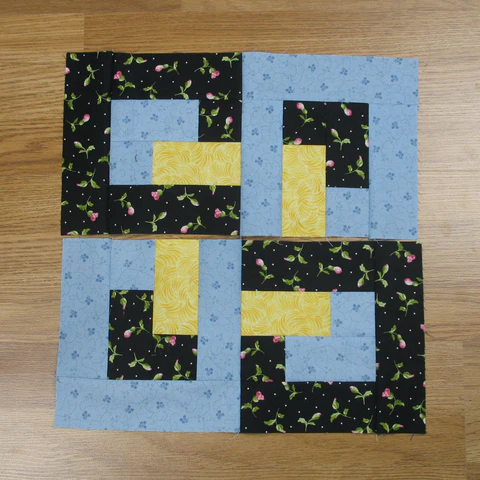
The Origins and Meaning of the Interlocking O’s Quilt Block
The Interlocking O’s Quilt Block has its roots in classic geometric quilting traditions. While not as old as some of the earliest patchwork patterns, its rise in popularity can be traced back to the 20th century, when quilters began experimenting with bold, modern shapes. The overlapping rings create an effect that symbolizes eternity and unity, much like wedding rings, which is one reason this design is often used in heirloom quilts or gifts.
Historically, quilt blocks were more than just decorative; they carried meaning. The interlocking circles in this block symbolize connection and wholeness, making it a popular choice for quilts given as wedding or anniversary gifts. By choosing this pattern, quilters could embed a message of togetherness within the stitches, adding layers of personal meaning to the finished piece.
Another reason the Interlocking O’s Quilt Block became popular is its adaptability to color schemes. Traditional quilts often relied on scraps, but this block works exceptionally well whether you are using a scrappy style or carefully curated fabrics. Its strong geometric framework allows quilters to highlight contrasting tones, muted palettes, or bold color pops, depending on the desired effect.
The block also became significant in the modern quilting movement. Its clean lines and striking visual impact made it a favorite among those who prefer minimalist designs. Yet, the pattern still resonates with traditionalists, showing that quilting can bridge generations through shared designs. The Interlocking O’s Quilt Block therefore represents both heritage and innovation in textile art.
For many quilters, the joy lies in experimenting with how the rings appear. Some choose fabrics that blend softly into one another, creating a subtle flow, while others opt for high contrast to make the rings stand out dramatically. The block’s design invites creativity and personal interpretation while retaining its core identity.
This duality—both symbolic and stylistic—makes the Interlocking O’s Quilt Block a treasured choice in quilting circles. Its enduring appeal ensures that it continues to inspire quilters across skill levels and artistic preferences.
Techniques for Piecing the Interlocking O’s Quilt Block
To create a successful Interlocking O’s Quilt Block, precision is key. Because the design involves circles and overlapping shapes, accurate cutting and careful stitching ensure the rings appear smooth and balanced. Quilters typically start with templates or rotary cutting tools designed to achieve the necessary curves.
One common technique is to piece the rings using curved seams. While this may sound intimidating, practice makes it easier. By pinning carefully and stitching slowly, quilters can achieve smooth curves that align perfectly, giving the block its characteristic look. Curved piecing may require a bit of patience, but it is an excellent skill to develop for this and other quilting patterns.
Another approach involves using appliqué techniques. Instead of piecing curved seams, some quilters prefer to stitch ring shapes onto a background fabric. This method can be faster and more forgiving, especially for beginners who want the look of interlocking circles without the challenge of curved piecing. The appliqué approach allows for creative variation, such as raw edge appliqué or invisible stitching.
Fabric choice also plays a crucial role in piecing. Solids highlight the geometric design, while prints can soften the look or add layers of complexity. For example, using two bold contrasting solids emphasizes the rings, while mixing floral prints creates a vintage-inspired effect. Selecting fabric is part of the artistry of making an Interlocking O’s Quilt Block.
Pressing techniques are equally important. Because of the curves and intersections, pressing seams open or to the side can make a big difference in how flat the block lies. Taking time to press carefully prevents bulk in the intersections and gives the block a polished appearance.
Finally, consistency matters. Quilters often make several blocks to assemble into a larger quilt, and small inaccuracies can add up. Measuring, trimming, and checking alignment throughout the process ensures that the final quilt top maintains the clean, interlocking look that makes this block so captivating.
Creative Ways to Use the Interlocking O’s Quilt Block
One of the greatest strengths of the Interlocking O’s Quilt Block is its versatility in finished projects. While many quilters use it for full-size quilts, it can also shine in smaller creations such as wall hangings, table runners, or decorative pillows. Its bold design makes it suitable for statement pieces as well as subtle background patterns.
In wedding quilts, the interlocking rings naturally symbolize unity and lifelong commitment. Many quilters incorporate this block into heirloom projects that are passed down through generations. Adding embroidery or hand quilting around the rings can enhance the symbolic and decorative value.
The block also lends itself to modern décor. A monochromatic version in black, white, and gray fits seamlessly into minimalist homes, while a brightly colored quilt featuring these blocks can energize a space. Its adaptability means it can serve both as a focal point or as part of a larger, mixed-block quilt design.
Beyond quilts, the Interlocking O’s Quilt Block can be transformed into accessories. Tote bags, cushion covers, and even framed fabric art pieces benefit from this striking design. Quilters enjoy experimenting with how the block appears in different scales, from oversized statement blocks to miniature versions.
Seasonal projects also showcase the block’s flexibility. Imagine a holiday quilt where the rings are crafted in festive reds and greens, or a summer-themed version with bright blues and yellows. By simply changing fabric choices, quilters can adapt the pattern to any occasion or personal theme.
Moreover, this block pairs beautifully with other designs. Some quilters combine the Interlocking O’s Quilt Block with star or log cabin patterns, creating dynamic quilt tops that balance tradition and innovation. Its geometric form makes it easy to integrate into larger design concepts while still maintaining its distinct character.
Tips for Success with the Interlocking O’s Quilt Block
To make the most of the Interlocking O’s Quilt Block, a few tips can help ensure both ease of construction and a stunning final product. The first is to begin with practice blocks. Working on a smaller scale allows quilters to refine their curved piecing or appliqué skills before tackling a full quilt.
Choosing the right tools is also essential. Rotary cutters, curved templates, and fine pins can make the process smoother. Investing in high-quality tools often results in cleaner lines and less frustration, especially when dealing with curves.
Patience plays a big role as well. Unlike straight-line piecing, the curves of the Interlocking O’s Quilt Block require slower stitching and careful alignment. Rushing can lead to puckering or misaligned seams, so pacing oneself is key to success.
Experimentation with fabrics is another tip worth noting. Trying out different color contrasts, prints, and textures can reveal surprising results. Sometimes, unconventional choices—like pairing bold modern prints with muted solids—create the most eye-catching quilts.
Maintaining accuracy during cutting and sewing is vital. Double-checking measurements and trimming blocks consistently keeps the quilt looking cohesive. A small miscalculation on one block can become noticeable when several blocks are joined together.
Finally, finishing techniques such as quilting and binding bring the block to life. Hand quilting around the rings can emphasize their shape, while machine quilting can add texture and durability. Binding in a complementary color frames the quilt and ties the whole design together beautifully.
About the Interlocking O’s Quilt Block
What is the Interlocking O’s Quilt Block?
It is a quilt block design featuring overlapping ring shapes that create a bold, geometric, and symbolic pattern often associated with unity and connection.
Is the Interlocking O’s Quilt Block beginner-friendly?
It can be challenging for absolute beginners because of the curved seams, but beginners can try an appliqué method to make it more approachable. Intermediate quilters often find it an excellent pattern for skill development.
What fabrics work best for this block?
Solid fabrics are ideal for showcasing the geometry, while prints can soften or add complexity. High-contrast combinations emphasize the interlocking shapes most effectively.
Can I use this block in smaller projects?
Yes, the Interlocking O’s Quilt Block works well in table runners, pillows, tote bags, and wall hangings in addition to full-size quilts.
How do I achieve smooth curves in this block?
Careful pinning, slow stitching, and pressing are key. Using templates or appliqué methods can also make the process easier, depending on your preferred technique.
Is this block suitable for modern quilts?
Absolutely. Its clean lines and bold shapes make it perfect for modern quilting, though it also fits well in traditional and heirloom designs.
The Interlocking O’s Quilt Block is more than just a quilting pattern—it is a design that blends tradition, symbolism, and creative freedom. Its history reflects themes of connection and unity, while its modern applications showcase versatility and style. With practice and patience, quilters of all levels can enjoy the process of bringing this block to life in their projects.
If you have ever created the Interlocking O’s Quilt Block, or are planning to try it, we would love to hear from you. Share your experiences, your favorite fabric combinations, and your personal tips. Your suggestions and feedback help keep the quilting community vibrant and inspiring for everyone.