
Turning Crumbs into Quilts is more than just a creative project; it is a beautiful way of giving new life to tiny fabric scraps that many quilters often overlook. Instead of discarding leftover pieces, quilters can transform them into vibrant, unique designs that not only save resources but also tell a personal story stitched into every block. This concept embodies both sustainability and artistry, creating something extraordinary from what may seem insignificant.
When people hear the word “crumbs,” they usually think of something small, unwanted, or even disposable. Yet in quilting, crumbs are those little leftover fabric bits that do not fit traditional blocks but still carry potential. With patience and imagination, these crumbs can be pieced together, forming one-of-a-kind quilts that radiate charm and creativity. By embracing this process, quilters celebrate resourcefulness and unlock endless design possibilities.
The magic of Turning Crumbs into Quilts lies in how it combines practicality with artistry. It encourages quilters to look beyond traditional symmetry and precision, allowing for a more free-spirited, improvisational approach. These quilts become visual stories stitched with fragments of past projects, preserving memories within every seam. Instead of seeing fabric scraps as waste, quilters see them as opportunities to create quilts filled with color, depth, and history.
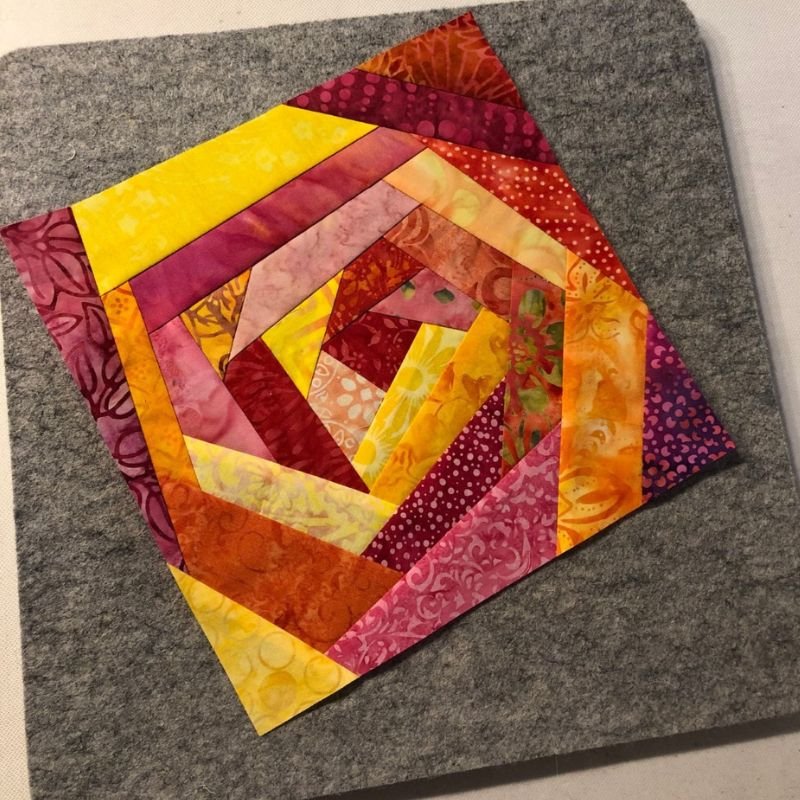
The Art of Using Fabric Crumbs
Creating quilts from crumbs is an art form that requires a shift in perspective. Instead of seeing scraps as too small to use, quilters start seeing them as tiny building blocks for larger, meaningful designs. This mindset allows creativity to flourish, producing quilts with unmatched character and charm.
One of the main advantages of working with crumbs is sustainability. In today’s world, where reducing waste is increasingly important, Turning Crumbs into Quilts stands out as a mindful practice. By reusing even the tiniest fabric pieces, quilters minimize waste while contributing to a more eco-friendly lifestyle. This transforms quilting into not only an artistic outlet but also an environmentally responsible craft.
Crumb quilting also celebrates uniqueness. No two crumb quilts will ever look alike, because each piece of fabric comes from different projects, times, or even emotions. A quilt made from crumbs becomes a patchwork diary, reflecting the journey of the quilter in a tangible form. It’s a quilt that carries stories within every irregular shape.
The improvisational style of crumb quilting also appeals to those who enjoy freedom in design. Unlike traditional quilt blocks, which follow strict measurements and patterns, crumb quilting invites spontaneity. Every small piece finds its place, often in unexpected but delightful ways. This makes the process both liberating and deeply satisfying.
Furthermore, crumb quilts are accessible for beginners. New quilters who may feel intimidated by exact cutting and precision sewing often find comfort in this method. The emphasis shifts from perfection to creativity, making quilting more approachable for all skill levels.
Lastly, the aesthetic of crumb quilts is truly special. They burst with texture, variety, and depth, making them captivating to the eye. These quilts often become statement pieces, admired not only for their beauty but also for the ingenuity behind their creation.
Benefits Beyond Quilting
While crumb quilting is primarily an artistic endeavor, its benefits extend far beyond the sewing room. The process teaches patience, resourcefulness, and the ability to find beauty in what might otherwise be discarded. These lessons mirror values that can enrich daily life.
For example, Turning Crumbs into Quilts nurtures mindfulness. Sorting through scraps, arranging them into patterns, and stitching them together requires focus and presence. It becomes a meditative practice that allows quilters to relax, unwind, and find joy in the moment.
It also fosters creativity and problem-solving skills. Since no two fabric pieces are the same, quilters must think critically about how to make each crumb fit into a design. This problem-solving mindset can translate into other areas of life, encouraging innovative thinking.
On a deeper level, crumb quilting promotes gratitude. Each scrap represents time, effort, and creativity invested in past projects. By reusing them, quilters acknowledge their own journey and celebrate the materials that might otherwise go unnoticed. This gratitude enriches both the process and the finished quilt.
There is also a financial benefit. Fabric can be costly, especially for large quilting projects. Using crumbs allows quilters to stretch their materials further, reducing expenses while still producing stunning results. This makes quilting more affordable and accessible for everyone.
Beyond personal benefits, crumb quilting builds community. Many quilting groups and guilds celebrate this technique, sharing ideas and hosting “crumb swaps.” This sense of collaboration fosters friendships and creates a supportive environment where creativity thrives.
Finally, crumb quilting contributes to sustainability. By reducing fabric waste, quilters take part in an eco-conscious movement. In a world that increasingly values green practices, this approach aligns with mindful living and responsible crafting.
Techniques for Crumb Quilting
Mastering crumb quilting begins with collecting and organizing fabric scraps. A dedicated box or basket helps keep crumbs in one place, making it easier to dive into projects when inspiration strikes. Once collected, the creative journey begins.
One common technique involves sewing small pieces together randomly, then trimming them into usable blocks. These blocks can later be combined into larger quilt sections, creating a mosaic-like effect filled with color and texture. This method highlights the beauty of irregularity.
Another approach is to group crumbs by color or theme. For example, cool tones can be pieced together for a calming effect, while bright, bold colors create energy. This adds a layer of intentionality without losing the free-spirited nature of crumb quilting.
Quilters can also experiment with shapes. While most crumb quilts feature squares or rectangles, adventurous crafters may create triangles, circles, or abstract shapes. This experimentation adds variety and showcases the versatility of crumbs.
Foundation piecing is another helpful method. By sewing crumbs onto a base fabric, quilters gain stability and structure while still enjoying creative freedom. This technique ensures that even the smallest scraps can find a place in the quilt.
Finally, incorporating crumbs into borders, appliqué, or accent blocks adds depth without making an entire quilt from scraps. This hybrid approach allows quilters to combine traditional techniques with the whimsical charm of crumbs.
Inspiring Projects with Crumb Quilts
Once quilters embrace Turning Crumbs into Quilts, the possibilities are endless. These projects range from small home décor items to full-sized quilts that make unforgettable heirlooms.
One popular idea is to create crumb-based pillow covers. They add bursts of color and texture to any room, making everyday spaces feel more lively and personal.
Table runners are another practical project. Made from crumbs, they bring warmth and individuality to dining tables while showcasing creativity in everyday life.
Quilters often use crumbs to create wall hangings. These smaller projects act as art pieces, allowing quilters to experiment without committing to a full quilt. The result is a unique decoration that sparks conversation.
For larger projects, full quilts made entirely from crumbs are stunning. They often become cherished family keepsakes, celebrated not only for their beauty but also for the resourceful process behind them.
Crumbs also work well for children’s projects. Bright, playful fabric scraps stitched together can create blankets filled with joy and imagination. These quilts often become treasured childhood items.
Lastly, crumbs can enhance clothing or accessories. Adding crumb patchwork to tote bags, jackets, or aprons introduces a touch of handmade creativity into daily wear. This expands quilting into new areas of artistic expression.
About Turning Crumbs into Quilts
What are fabric crumbs in quilting?
Fabric crumbs are very small scraps of fabric, often too irregular or tiny for traditional quilt blocks, but still usable for creative projects.
Can beginners try crumb quilting?
Yes. Crumb quilting is perfect for beginners because it focuses on creativity rather than precision. It allows new quilters to practice without fear of mistakes.
Do crumb quilts require special tools?
Not at all. The same basic quilting tools—sewing machine, rotary cutter, and iron—are enough. Some quilters also use foundation fabric for added stability.
How do I keep crumb quilts from looking messy?
Organizing crumbs by color or theme helps create harmony. Adding solid fabrics between crumb blocks also balances the overall design.
Are crumb quilts durable?
Yes. With proper stitching and reinforcement, crumb quilts can be just as durable as traditional quilts. Using a foundation fabric can improve longevity.
Why should I make a crumb quilt?
Crumb quilts are sustainable, budget-friendly, and uniquely beautiful. They allow you to create something meaningful from scraps while reducing waste.
Turning Crumbs into Quilts is a practice that combines creativity, sustainability, and storytelling. By transforming tiny fabric scraps into vibrant quilts, quilters celebrate resourcefulness while producing works of art that are both beautiful and meaningful. From practical projects to heirloom creations, crumb quilting proves that even the smallest pieces can make a big impact.
Now it’s your turn: What do you think about this approach? Share your honest opinion and let us know your suggestions—we’d love to hear how you would turn your crumbs into quilts.