
DIY hand puppets for kids are one of the most creative, fun, and educational crafts that parents, teachers, and caregivers can introduce to children. These small yet powerful toys open a world of imagination, storytelling, and artistic expression, making them more than just a craft project. Creating hand puppets at home allows children to engage in hands-on activities that enhance motor skills, spark creativity, and promote social interaction.
The beauty of DIY hand puppets for kids is that they can be made from simple materials that are often already available at home. Whether it is socks, paper bags, felt, or old fabrics, these projects do not require expensive tools or supplies. This makes them an accessible craft for all families, no matter the budget. Plus, children feel proud and excited when they see their own creations come to life.
In today’s busy digital world, encouraging children to step away from screens and spend time making crafts can be a valuable bonding activity. By working on DIY hand puppets for kids, families can spend quality time together, develop communication skills through storytelling, and create cherished memories. More importantly, this type of craft encourages problem-solving, patience, and teamwork, all while providing hours of entertainment.
Benefits of DIY Hand Puppets for Kids
One of the main benefits of DIY hand puppets for kids is how they enhance creativity. Children can design characters from their favorite stories or invent entirely new ones. Giving them the freedom to choose colors, shapes, and personalities stimulates their imagination and allows them to explore different artistic directions.
Another significant advantage is language development. When children use their puppets to create stories or play pretend, they practice vocabulary, sentence structure, and conversational skills. This is especially beneficial for younger children who are still learning to express themselves clearly.
Social interaction is another positive outcome. Puppet play often involves multiple participants, encouraging teamwork and collaboration. Children learn to take turns, share ideas, and listen to others while performing puppet shows. This helps build social confidence and empathy.
Fine motor skills are also strengthened through crafting hand puppets. Cutting, gluing, sewing, or decorating require hand-eye coordination and precision. These small actions help prepare children for writing and other daily tasks.
Additionally, DIY hand puppets for kids can be used as educational tools. Parents and teachers can create themed puppets related to subjects such as animals, history, or science. This makes learning interactive, enjoyable, and more memorable for children.
Finally, hand puppets provide emotional benefits. Children often use puppets to express feelings they might not feel comfortable sharing directly. Through role-play, they can work through emotions, build confidence, and develop problem-solving skills in a safe environment.
Materials You Can Use for DIY Hand Puppets for Kids
One of the best things about making DIY hand puppets for kids is that they can be created using almost anything. Old socks are a classic option. With just some buttons for eyes, yarn for hair, and felt pieces for a mouth, a simple sock can be transformed into a lively character.
Paper bags are another inexpensive and fun material. Children can draw faces directly on the bag, add construction paper cutouts for features, and use markers or stickers to personalize them. These are great for quick crafts and classroom activities.
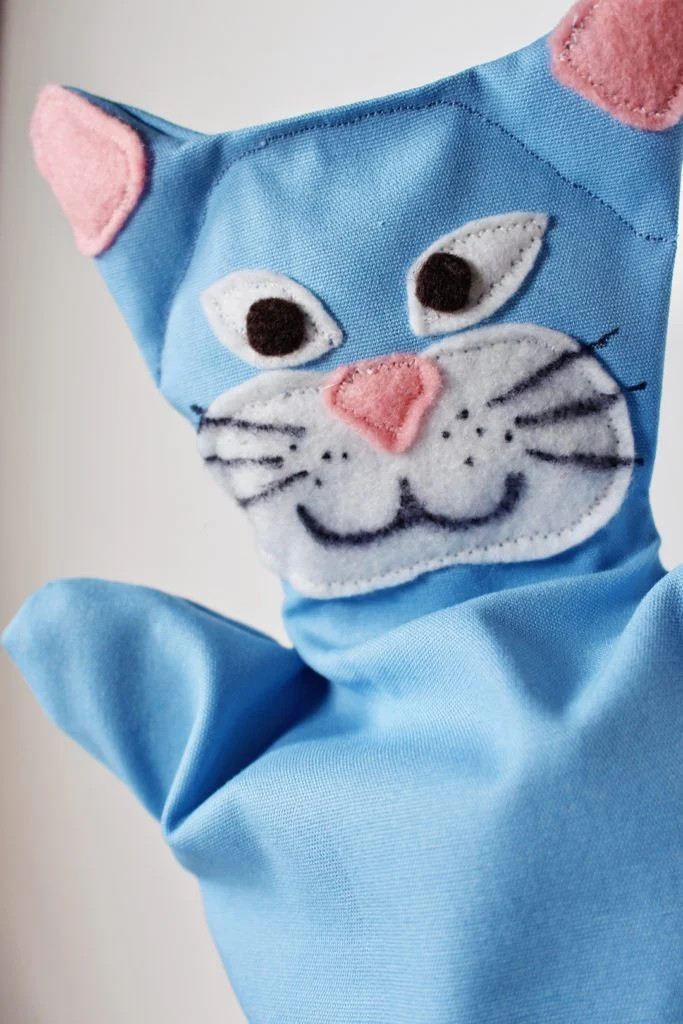
Felt is a versatile material that many parents and teachers love. It is soft, easy to cut, and comes in many colors. Felt puppets can be sewn together or glued, making them suitable for all skill levels. They also last longer than paper crafts, which means children can enjoy them for months.
Recycled materials are perfect for eco-friendly projects. Plastic spoons, cardboard tubes, and fabric scraps can all be repurposed into fun puppet designs. Teaching children to reuse and recycle while crafting is both educational and environmentally responsible.
If you want to make sturdier puppets, fabric and sewing techniques can be used. While these require more effort, they produce high-quality puppets that can be passed down or used for larger performances.
No matter which material is chosen, safety should always be a priority. Make sure scissors are child-safe, glues are non-toxic, and small objects that could pose choking hazards are used with supervision.
Fun Puppet Ideas and Themes
When it comes to DIY hand puppets for kids, the possibilities are endless. Animal puppets are always popular. Children can create cats, dogs, rabbits, or even exotic animals like lions and elephants. These puppets can then be used in animal-themed stories or educational activities.
Storybook characters are another exciting theme. Kids can recreate their favorite heroes, princesses, or villains from books and movies. This helps them connect even more deeply with the stories they love.
Holiday-themed puppets are also enjoyable. For example, making Santa puppets for Christmas, spooky monsters for Halloween, or bunnies for Easter adds an extra layer of excitement to seasonal celebrations.
Fantasy characters such as dragons, wizards, and fairies allow children to explore imaginative storytelling. These puppets encourage creativity and spark magical adventures that go beyond everyday life.
Children can also design puppets based on family members, friends, or even themselves. This helps them understand relationships and makes puppet play more personal and relatable.
For educational purposes, parents can guide kids to make puppets representing letters, numbers, or historical figures. This makes learning interactive and fun, helping children retain information more effectively.
Tips for Puppet Play and Storytelling
Once the DIY hand puppets for kids are complete, the real fun begins with storytelling. Encourage children to perform puppet shows for family and friends. This not only entertains but also builds self-confidence and communication skills.
Create a small puppet theater at home using a cardboard box or a curtain. Having a stage makes the performance feel special and motivates children to prepare their stories in advance.
Parents and teachers can guide children by introducing themes or prompts. For example, ask them to create a story about teamwork, kindness, or problem-solving. This adds an educational element to the fun.
Let children be in control of their stories. Giving them creative freedom builds independence and allows them to take pride in their work. Adults can participate, but the spotlight should remain on the kids’ imagination.
Recording puppet shows is another great idea. Families can capture these creative moments on video, building memories that can be enjoyed for years to come. It also allows children to see themselves perform, which can boost confidence.
Most importantly, keep the atmosphere fun and relaxed. The goal of DIY hand puppets for kids is not perfection, but enjoyment, creativity, and bonding time.
About DIY Hand Puppets for Kids
What age is appropriate for making DIY hand puppets?
Children as young as three can enjoy simple puppet crafts with safe supervision. Older kids can handle more complex designs involving sewing or detailed decoration.
What materials are best for beginners?
Socks, paper bags, and construction paper are the easiest materials for beginners. They require minimal tools and allow kids to focus on creativity rather than technique.
How can puppets be used for learning?
Hand puppets can be used to teach language, social skills, and academic subjects. For example, puppets can “talk” about numbers, letters, or historical events, making lessons interactive.
Are DIY hand puppets safe for toddlers?
Yes, as long as adult supervision is provided. Avoid small detachable parts like buttons that could pose choking hazards. Use child-safe scissors and non-toxic glue.
How do I encourage shy children to use puppets?
Start by letting them watch others perform or by role-playing with them. Shy children often find it easier to express themselves through a puppet than directly, which helps build confidence over time.
Can these puppets be reused many times?
Yes, especially if made from felt or fabric. With proper care, DIY hand puppets for kids can last for months or even years, making them a sustainable toy option.
Making DIY hand puppets for kids is more than just a fun craft—it is a meaningful activity that fosters creativity, learning, and emotional growth. From simple paper bag puppets to detailed fabric creations, every project provides children with an opportunity to explore their imagination and share stories.
We explored the benefits of puppet-making, the variety of materials that can be used, fun theme ideas, and tips for encouraging storytelling. Now it is your turn to try these activities with your children or students.
What do you think about these ideas? Have you tried making DIY hand puppets for kids before? Share your honest opinions and suggestions—we would love to hear your experiences and creative tips.