
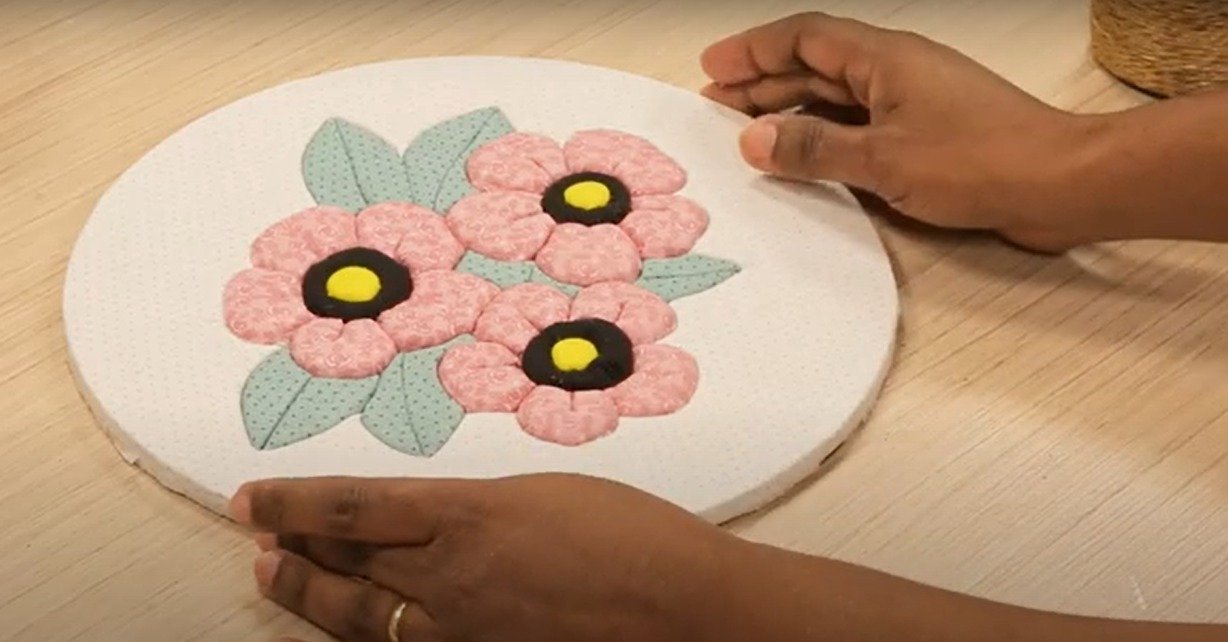
3D Embedded Patchwork is a captivating and modern quilting technique that combines the beauty of traditional patchwork with the added dimension of three-dimensional effects. This style not only enhances the visual appeal of a quilt but also adds a tactile experience that makes each piece truly unique. By using different fabrics, textures, and layering techniques, crafters can create patterns that seem to “pop out” of the fabric, bringing an extra level of artistry to their creations.
This technique has become increasingly popular among quilting enthusiasts because it offers a creative way to make quilts stand out in a crowd. Whether you are making a decorative wall hanging, a cozy bed quilt, or a small art piece, 3D Embedded Patchwork allows you to experiment with color, shape, and depth in a way that is both artistic and functional. The process involves skill, patience, and imagination, but the results are often breathtaking.
In addition to being visually stunning, 3D Embedded Patchwork can be surprisingly versatile. It can incorporate floral petals that seem to lift from the surface, geometric blocks that add depth to the design, or even sculptural elements that tell a story. For beginners, starting with small projects is an excellent way to explore this technique before moving on to more complex designs.
The Basics of 3D Embedded Patchwork
To understand 3D Embedded Patchwork, it’s important to first grasp the basics of patchwork quilting. Patchwork involves sewing together small pieces of fabric, known as patches, to create a larger design. In the 3D variation, certain elements are sewn or layered in a way that they protrude from the surface, creating a sense of depth and movement.
One of the key features of this technique is the use of fabric manipulation. This can involve folding, pleating, or padding fabric pieces before embedding them into the quilt top. The resulting raised areas give the quilt a sculptural quality, transforming it from a flat textile into an interactive piece of art.
Another crucial aspect is the choice of fabrics. Different textures can dramatically affect the outcome of a 3D Embedded Patchwork project. For example, using a mix of smooth cotton, textured linen, and shiny satin can create a striking contrast that enhances the three-dimensional effect.
Color placement also plays a major role. Strategic use of light and dark tones can create shadows that make the 3D effect more convincing. Quilters often experiment with gradients, complementary colors, and bold contrasts to achieve the desired look.
The construction process generally starts with a well-planned design. Many quilters draw detailed sketches before cutting fabric to ensure that the 3D elements align with the overall layout. Some prefer to assemble the 3D components separately and then stitch them into the quilt top, while others integrate the effect directly during the piecing stage.
Finally, finishing techniques such as quilting and binding are essential to secure the raised elements in place. Careful stitching ensures that the three-dimensional features remain intact even after multiple washes and regular use.
Techniques to Create Stunning 3D Effects
Creating 3D Embedded Patchwork requires specific techniques that bring the design to life. One popular method is trapunto, a quilting technique that involves adding extra padding behind certain parts of the design. This method is often used to highlight motifs like flowers, leaves, or geometric shapes, making them appear as though they are floating above the surface.
Another technique involves folding and layering fabrics. By tucking and stitching small pleats or folded shapes into the quilt, you can create petals, wings, or abstract patterns that lift from the background. This method works particularly well with floral or nature-inspired designs.
Appliqué also plays a role in 3D effects. Instead of stitching flat appliqué pieces, quilters can lightly stuff or pad them before attaching, giving them volume. This approach is perfect for elements like fruit, balloons, or clouds.
For a more sculptural look, some quilters incorporate wired fabric pieces that can be shaped and bent even after the quilt is finished. This allows for dynamic movement and unique customization, especially in art quilts meant for display rather than daily use.
Using textured fabrics like velvet, corduroy, or faux fur can enhance the tactile quality of a quilt. These materials naturally create shadows and highlights that make the 3D features more noticeable.
Lastly, precise quilting lines can emphasize the raised portions of the design. By stitching around and between the 3D elements, you can create contrast and make the dimensional features stand out even more.
Choosing the Right Materials and Tools
When starting a 3D Embedded Patchwork project, selecting the right materials is crucial for achieving the best results. High-quality quilting cotton remains a staple for the quilt base because of its durability and ease of handling. For the raised elements, fabrics with structure—like batiks, denim, or felt—help maintain their shape over time.
Batting selection is equally important. A thicker, high-loft batting can enhance the depth of the raised portions, while a thinner batting works well for the flat areas of the quilt. Some quilters use multiple batting layers strategically to control the height of different sections.
The right thread can make a big difference too. Polyester thread provides strength and longevity, especially for securing 3D elements. However, cotton thread offers a more natural look and is preferred when aiming for a traditional quilting style.
Specialty needles are worth considering. Quilting needles with a sharp point make it easier to stitch through multiple layers, especially when working with thicker fabrics or additional padding.
Essential tools for 3D Embedded Patchwork include a rotary cutter for precise fabric cutting, fabric clips to hold thick layers together, and a walking foot attachment for your sewing machine to handle uneven surfaces.
Finally, having a design wall or large work surface can help you visualize the placement of your 3D elements before committing to stitching them down. This planning stage ensures a balanced and harmonious final piece.
Creative Ideas for 3D Embedded Patchwork Projects
The versatility of 3D Embedded Patchwork makes it perfect for a variety of projects. One popular idea is to create wall hangings with dramatic 3D floral arrangements. The petals can be shaped and layered to create lifelike blooms that draw attention in any room.
Baby quilts with playful 3D animal designs are another delightful option. Soft, padded ears, tails, and paws can make the quilt interactive for little ones, adding a sensory element to the design.
For seasonal décor, you can create holiday-themed quilts with raised ornaments, snowflakes, or leaves. These quilts can be displayed during special occasions, bringing warmth and festive charm to the home.
Art quilts offer endless creative freedom. Combining abstract shapes, bold colors, and mixed textures can result in gallery-worthy pieces that challenge the traditional perception of quilting.
Wearable items like jackets, bags, or scarves can also incorporate 3D Embedded Patchwork for a unique fashion statement. Adding dimensional pockets, appliqués, or panels can turn everyday clothing into a work of art.
Finally, combining 3D elements with other quilting styles, such as paper piecing or improvisational quilting, can produce hybrid designs that are truly one-of-a-kind.
about 3D Embedded Patchwork
What is 3D Embedded Patchwork?
It is a quilting technique that incorporates raised or layered elements into traditional patchwork, creating depth and a three-dimensional effect.
Is it suitable for beginners?
Yes, but it’s best to start with small, simple projects before moving on to complex designs with multiple 3D components.
What fabrics work best?
Quilting cotton for the base and structured fabrics like denim, batiks, or felt for the 3D elements are recommended.
How do you wash a quilt with 3D elements?
Use gentle cycles, mild detergent, and avoid high heat drying to preserve the raised features. Hand washing is often the safest option.
Can I combine 3D Patchwork with other quilting techniques?
Absolutely. Many quilters mix 3D elements with appliqué, trapunto, or traditional piecing for unique results.
Do I need special tools?
While not strictly necessary, tools like a walking foot, sharp quilting needles, and fabric clips can make the process easier.
How long does a 3D Embedded Patchwork quilt take to make?
The time varies greatly depending on the size, complexity, and number of 3D elements. Simple projects may take a few days, while large quilts can take weeks or months.
3D Embedded Patchwork is a remarkable blend of traditional quilting craftsmanship and innovative design. By combining fabric textures, colors, and sculptural techniques, you can create quilts that are not only visually stunning but also engaging to the touch. This style invites creativity, encourages experimentation, and results in pieces that tell a story in every stitch.
If you’ve never tried 3D Embedded Patchwork before, start small, explore different techniques, and allow your creativity to guide you. Quilting is as much about the journey as it is about the final product. I’d love to hear your thoughts—share your honest opinion and suggestions so we can keep inspiring each other in the world of quilting.