
How to crochet a blanket square is one of the most rewarding skills a beginner or seasoned crocheter can learn. Whether you’re working on a cozy afghan, a decorative pillow, or a heartfelt gift, understanding how to make consistent and beautiful squares is key to success. These small yet powerful pieces are the building blocks of larger crochet projects that hold warmth, personality, and handmade charm.
The beauty of blanket squares lies in their simplicity and versatility. You can make each one identical or explore a variety of stitches, colors, and textures to create stunning patchwork effects. Plus, they’re portable, so you can crochet on the go without needing to carry an entire blanket in progress.
If you’ve ever wondered how to crochet a blanket square that lays flat, keeps its shape, and fits perfectly with others, you’re in the right place. This guide will walk you through everything you need to know — from choosing yarn to mastering stitches, shaping your square, and troubleshooting common issues — all with clear, humanized advice and beginner-friendly tips.
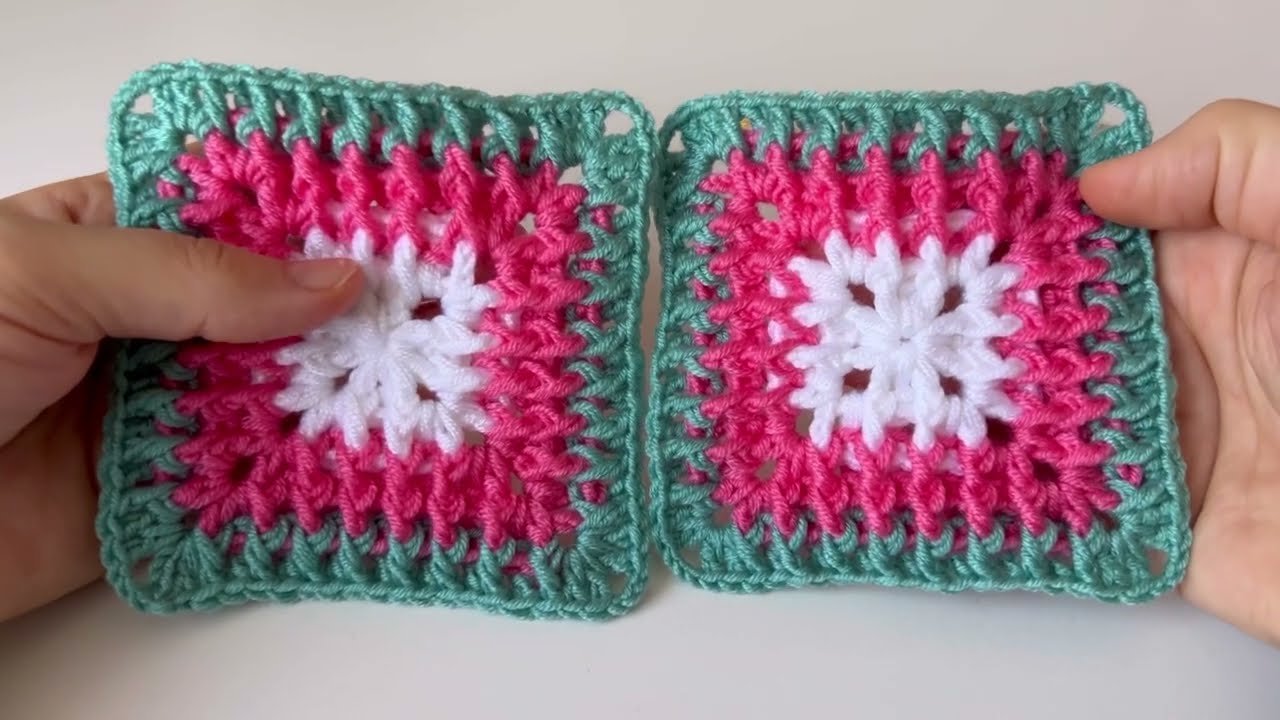
Choosing the Right Materials for Your Blanket Square
When learning how to crochet a blanket square, one of the first and most important steps is choosing the right materials. Your final results will depend heavily on the yarn, hook, and tools you select, especially when consistency across multiple squares is your goal.
Start with a medium-weight yarn (category 4) for balanced warmth and stitch definition. Acrylic yarn is a popular choice for blanket squares due to its durability, affordability, and ease of washing. Cotton yarn is another good option for a firmer, more breathable texture.
As for your hook, check the yarn label for the recommended size — usually between 5mm and 6mm for worsted weight. However, you can experiment slightly to achieve the tension that works best for you. If your square curls or feels too stiff, try going up a hook size. If it’s too loose, go down a size.
It’s also helpful to keep a pair of scissors, a tapestry needle, and stitch markers nearby. Stitch markers are especially useful if you’re working with rounds or repeating patterns, which are common in crochet squares.
Finally, don’t forget about color. You can choose to crochet each square in a single shade for a clean, minimalist look or mix and match hues for a vibrant, boho-style patchwork. Just make sure all your yarn is the same weight and fiber type to avoid uneven stretching or wear over time.
Understanding the Basic Techniques
Before you dive into your first square, it’s important to review the basic stitches and techniques. Mastering these will ensure you can crochet consistently and with confidence. The three most commonly used stitches when learning how to crochet a blanket square are the chain stitch, single crochet, and double crochet.
Start with a foundation chain. This is the starting row for most squares. Keep your tension relaxed and consistent. A tight chain can make the edges curl, while a loose one might look uneven.
Single crochet (sc) is ideal for dense, tight squares, while double crochet (dc) creates a more open, flexible fabric. You can also explore combinations like the granny square, which uses clusters of dc stitches with chain spaces to form a lacy, classic pattern.
Always count your stitches at the end of each row or round. Accuracy is key when you’re aiming for perfect squares that align beautifully in your finished blanket.
If you’re working in rounds, begin with a magic ring or a small chain joined in a loop. This center can then be expanded outward with equal increases in each corner to maintain a flat square shape.
Finally, remember to turn your work after each row if you’re working in rows. This helps maintain an even texture and avoids a noticeable lean or twist in your square.
Tips for Shaping and Joining Blanket Squares
Achieving the perfect shape is essential when learning how to crochet a blanket square. Uneven edges or inconsistent sizes can cause problems when it comes time to assemble your final blanket. Here are some practical tips to help you stay on track.
First, always use a stitch counter or notebook to keep track of the number of rows you’ve completed. This is especially helpful if you’re creating multiple squares over several days or weeks.
Second, use blocking to even out the shape of your squares. Wet blocking or steam blocking can help correct curling or minor size differences. Simply dampen the square, pin it to a flat surface, and let it dry completely. This step makes a noticeable difference in the professional appearance of your blanket.
When it’s time to join your squares, there are several options. The whip stitch is a simple, nearly invisible method. For a decorative touch, try a single crochet join or the flat braid join. The technique you choose will affect the overall look and flexibility of your blanket.
Make sure to weave in your ends carefully with a tapestry needle. Secure them by weaving in multiple directions to avoid unraveling over time. This can be tedious but ensures your blanket remains durable with regular use and washing.
If your squares don’t match exactly in size, don’t panic. You can often add a round or two of single crochet as a border to bring them to uniform dimensions. Just be sure to count carefully to maintain symmetry.
Lastly, always lay out your squares before joining. This helps you decide the best color placement and allows you to adjust patterns or orientation before it’s too late to fix.
Creative Ideas and Patterns to Try
Once you understand how to crochet a blanket square, the real fun begins with customization. You can explore different styles, textures, and color combinations to make your project uniquely yours.
Try making solid-colored squares using only single crochet for a modern, minimalist blanket. This approach is great for beginners and works up quickly.
Granny squares are a timeless favorite. They’re easy to learn, visually interesting, and endlessly adaptable. You can stick to one color or change shades every round for a kaleidoscopic effect.
Texture squares are also popular. Incorporate popcorn stitches, bobbles, or front-post double crochets to add dimension. These stitches not only feel great to the touch but also create a stunning visual pattern.
Looking for a seasonal twist? Use warm oranges and browns for fall, icy blues and whites for winter, or bright floral tones for spring and summer. Color themes can help your blanket tell a story or match your home decor.
You can even turn your blanket into a memory quilt. Use leftover yarn from other projects or create squares that represent meaningful moments or favorite places.
Finally, think outside the square! Combine traditional squares with hexagons, circles, or rectangles to create an eclectic patchwork. As long as you maintain consistent sizing and join them evenly, the result will be both eye-catching and cohesive.
How to Crochet a Blanket Square
Q1: How big should a crochet blanket square be?
Most standard squares range from 6 to 12 inches, depending on the final project. The key is consistency—ensure all your squares are the same size for easy joining.
Q2: Why are my crochet squares curling?
Curling usually happens due to tight tension or skipped increases. Check your stitch count and try blocking the square to flatten it out.
Q3: Can I mix different yarn types in one blanket?
It’s not recommended. Different fibers stretch and wear differently. Stick with the same yarn type and weight for a cohesive, long-lasting result.
Q4: What’s the best stitch for beginners?
Single crochet and double crochet are both excellent for beginners. They’re easy to learn and versatile enough for beautiful blanket squares.
Q5: How many squares do I need for a blanket?
It depends on the square size and desired blanket dimensions. For example, a 48×60 inch blanket made with 6-inch squares requires 80 squares.
Q6: Should I block each square before joining?
Yes, blocking ensures your squares are the same size and lay flat, making joining easier and resulting in a more polished finished product.
Q7: How do I make sure all my squares match in size?
Use the same yarn, hook size, and stitch count for every square. Measuring and blocking each one also helps maintain consistency.
Q8: Is it okay to use variegated yarn?
Absolutely! Variegated yarn adds beautiful color transitions. Just make sure it complements your overall color scheme.
Q9: Can I use leftover yarn from other projects?
Yes, leftover yarn is great for blanket squares, especially if you enjoy making multi-colored or scrap-style blankets.
Q10: How do I connect the squares once they’re done?
Popular joining methods include whip stitch, slip stitch, single crochet join, or more decorative braided joins. Choose one based on your desired finish and flexibility.
Learning how to crochet a blanket square opens the door to countless creative possibilities. From simple, solid-color blocks to intricate, textured masterpieces, each square is a small but mighty part of a larger story. We’ve covered essential tools, stitches, shaping techniques, creative variations, and frequently asked questions — all designed to help you master the art of the crochet square.
Now it’s your turn! Grab your hook, pick your yarn, and start stitching your way to a cozy handmade blanket. If this guide helped you, leave your honest opinion and share any suggestions you might have. We’d love to hear about your journey and the beautiful projects you’re creating!