
How to Read Crochet Charts Easily is a skill that can transform your crochet journey from confusing to creative. If you’re used to written patterns and find yourself lost in diagrams, you’re not alone. Many beginners – and even experienced crocheters – feel overwhelmed when they first encounter crochet charts. But once you understand the symbols and flow, these visual guides become powerful tools that simplify your work and open up a world of patterns.
Learning how to read crochet charts easily can help you follow international patterns, work faster, and avoid mistakes. Unlike long written instructions, crochet charts provide an instant overview of the project, making it easier to visualize the final product. Whether you’re making a simple square or an intricate doily, charts allow you to see the stitches before you make them, which can improve your accuracy and boost your confidence.
This guide will break down the basic elements of crochet charts, explain common symbols, and give you the tools to approach any diagram with ease. Using clear explanations and a humanized tone, you’ll discover how enjoyable and empowering it can be to learn this essential crochet skill.
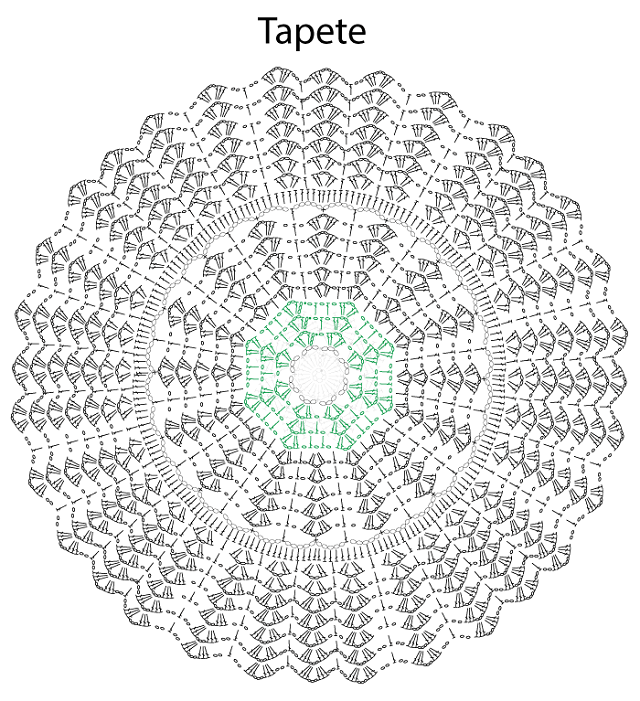
Understanding the Basics of Crochet Charts
Before you can master how to read crochet charts easily, it’s essential to understand what a crochet chart actually represents. A crochet chart is a visual pattern made up of symbols, where each symbol corresponds to a specific stitch. Instead of reading rows of text, you follow the direction and placement of the symbols.
Charts are typically read in a specific order: in rounds or in rows, depending on the design. If the pattern is worked in rows, you’ll generally read the chart from right to left on odd rows and left to right on even rows. When worked in the round, the chart is read in a spiral or circular fashion, usually counterclockwise.
Another key feature is the starting point, often marked by a small dot or a numbered arrow. Identifying the starting stitch will help you navigate the pattern correctly. Misreading this part is a common beginner mistake, so pay close attention to how the chart flows.
Each chart includes a legend or key, showing what each symbol means. These keys are crucial and should always be referenced. Symbols can vary slightly between designers or countries, so relying on the chart’s legend ensures accuracy.
Using stitch markers and row counters while reading a chart can help keep your place and reduce errors. This is especially helpful in large or complex designs. Over time, you’ll memorize the most common symbols and won’t need to refer to the key as often.
Don’t worry if it takes time to feel comfortable. Just like learning a new language, reading crochet charts becomes easier the more you practice. Take your time, and enjoy the learning process.
Common Symbols and What They Mean
One of the most important parts of how to read crochet charts easily is becoming familiar with the symbols that represent each stitch. These symbols act like a shorthand language for crocheters all over the world.
The most basic stitch, the chain stitch, is usually represented by a small oval or circle. This is often the foundation of your project, and you’ll see several of these at the beginning of most charts. They form the base row or the starting ring in circular patterns.
A single crochet is typically shown as an “X” or a plus sign. These stitches are the building blocks of many projects and appear in dense patterns or where more structure is needed. Recognizing this symbol quickly will help speed up your reading.
Double crochet stitches are often symbolized by a “T” with a slash through it. This is one of the most commonly used stitches and creates height and openness in your work. Understanding where these are placed helps you see the pattern’s texture.
More advanced stitches, like treble crochet or popcorns, have longer symbols with additional lines or bumps. Treble stitches often look like tall “T”s with two slashes, while popcorns are represented by a cluster or filled-in shape. These can look intimidating, but the chart’s legend will explain exactly what to do.
Some symbols show directional stitches, such as front post or back post double crochets. These often include arrows or curves to indicate the direction of the stitch. They can be tricky at first, but once you understand their effect on texture, they become much easier to use.
Remember, how to read crochet charts easily starts with repetition. The more charts you explore and practice, the faster you’ll learn to identify these symbols at a glance.
Tips for Following Crochet Charts Successfully
Now that you recognize the symbols, let’s explore practical tips to help you apply your new skills and truly understand how to read crochet charts easily. These tips will make your projects smoother and more enjoyable.
First, always review the chart before starting your project. Familiarize yourself with the shape, repeat sections, and stitch types. Doing this will help you anticipate any complex areas and avoid surprises as you work.
Second, print the chart or enlarge it if possible. Sometimes patterns come in small sizes or are hard to see on a screen. Enlarging the chart helps you view each stitch clearly and reduces strain on your eyes.
Use a highlighter or sticky notes to mark your place as you go. This is especially helpful in detailed patterns with repeating sections. Highlighting completed rows or rounds keeps you from losing track of your work.
Another great trick is to identify the repeat area of the pattern. Many charts use brackets or different colors to indicate parts of the design that should be repeated. Understanding this layout allows you to replicate sections confidently and with fewer mistakes.
If you ever get stuck, compare the chart to written instructions, if available. This is not always possible, but having both formats can help clarify confusing areas. You can also cross-reference the stitch count or row count to stay on track.
Finally, be patient with yourself. Learning how to read crochet charts easily is a journey, not a race. Every chart you practice helps build your skill and confidence.
Why Crochet Charts Can Improve Your Projects
Once you’ve grasped how to read crochet charts easily, you’ll notice significant improvements in your projects. Charts provide a visual advantage that can help you understand your work better than written instructions alone.
One key benefit is clarity. You can immediately see how stitches are arranged and how the final shape will look. This can prevent misreading long text rows and reduces errors in stitch placement.
Charts also help you learn new stitch combinations more effectively. Seeing how a shell stitch or lace pattern is formed visually gives you insight into how stitches interact. This boosts creativity and encourages experimentation.
For those who struggle with right vs. left-hand crochet, charts are universal. Most are drawn for right-handed crocheters, but visual learners can more easily adapt charts to suit their needs than trying to rewrite text instructions.
Reading charts can also save time. Once you’re fluent, scanning a chart takes far less time than reading paragraph after paragraph of instructions. This means you can complete projects more efficiently.
International designers often provide only charted patterns, especially in Japan or Europe. Being able to read these charts opens up a world of unique and beautiful patterns that you might otherwise miss.
Lastly, charts allow for easier customization. Seeing the pattern as a whole helps you identify where to adjust stitch count, change yarn, or modify shape. This makes your projects more personalized and enjoyable.
Frequently Asked Questions
What are crochet charts?
Crochet charts are visual representations of patterns using symbols instead of written instructions. Each symbol corresponds to a stitch and is placed to show how the pattern is built.
How do I know where to start reading a crochet chart?
Most charts mark the starting point with a small arrow or number. In row patterns, start from the bottom right. In round patterns, begin at the center and work outward.
Are all crochet symbols the same worldwide?
Most follow similar standards, but some differences exist between countries or designers. Always check the chart’s legend to understand the specific symbols used.
Can left-handed crocheters use crochet charts?
Yes! Left-handed crocheters may need to mirror the chart mentally or physically (using a mirrored copy), but the visual nature makes it easier than translating written patterns.
Is reading a chart faster than reading written instructions?
Once you’re familiar with the symbols, reading a chart can be significantly faster because you see the whole structure of the pattern at once.
What if I make a mistake while following a chart?
Backtrack to the last clear row or round. Use stitch markers and counting to catch errors early. With practice, you’ll learn to spot and fix mistakes more easily.
Learning how to read crochet charts easily may seem daunting at first, but with patience and practice, it becomes second nature. Understanding symbols, following chart flow, and applying visual strategies can make your crochet projects faster, more creative, and even more fun. Crochet charts allow you to see your design come to life before the yarn even hits your hook.
We hope this article has helped you gain clarity and confidence in reading crochet charts. If you’ve tried any of these tips or have questions, we’d love to hear from you! Leave your honest opinion and suggestions below to help us continue creating helpful content for the crochet community.