
A Quilt Block Oven Mitt is not just a handy kitchen accessory—it’s a personal expression of creativity and a beautiful blend of function and style. Whether you’re an experienced quilter or a beginner looking for a fun project, making your own Quilt Block Oven Mitt is an enjoyable and practical way to showcase your sewing skills. Right from your first stitch to the final quilted detail, this project offers both aesthetic satisfaction and a sense of accomplishment.
What makes the Quilt Block Oven Mitt so appealing is the freedom to incorporate your favorite fabric scraps, patterns, and color combinations. Unlike store-bought mitts, handmade versions can be uniquely tailored to fit your kitchen decor or reflect the season. They also make wonderful gifts for friends, family, or fellow crafters who appreciate something that’s both beautiful and useful.
In this article, we’ll explore how to make a Quilt Block Oven Mitt, what materials you’ll need, tips for choosing quilt blocks, and the best practices to ensure your oven mitt is both stylish and heat-resistant. Let’s dig into this creative journey where quilting meets practicality.
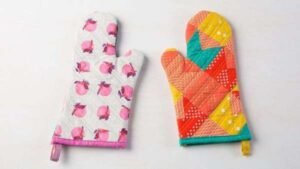
Choosing the Right Quilt Block Design
When creating a Quilt Block Oven Mitt, your first decision will be which quilt block pattern to use. This choice sets the tone for the entire look of your oven mitt and can range from traditional to modern. The design should not only be visually appealing but also manageable in size for the oven mitt shape.
Geometric patterns such as the “Nine Patch,” “Log Cabin,” or “Pinwheel” are excellent choices for beginners. These quilt blocks offer clean lines and are relatively easy to construct, making them ideal for projects that require durability and structure, like an oven mitt.
If you prefer a more intricate design, consider the “Flying Geese” or “Star” blocks. These options allow for dynamic fabric placement and can really elevate the look of your Quilt Block Oven Mitt. However, they require a bit more precision during piecing and sewing.
When selecting fabric, think about both color and function. Cotton is the go-to fabric for quilting due to its breathability and heat-resistance. You might want to mix solid and printed fabrics to create a balanced and eye-catching design.
Also keep scale in mind: a Quilt Block Oven Mitt is a small canvas, so avoid using patterns that are too large or overly busy. Smaller-scale prints and tightly arranged blocks usually work better and show off the detail more effectively.
Lastly, prewash your fabrics to prevent shrinkage later. This step also ensures that your quilt block will hold its shape and stay vibrant after repeated use and washing.
Materials and Tools You’ll Need
Before starting your Quilt Block Oven Mitt, gather all your materials to make the process smooth and enjoyable. Most of the supplies are easy to find and may already be in your sewing kit if you quilt regularly.
You’ll need quilting cotton fabric in a few contrasting or complementary prints. These will be used to create the quilt block that forms the outside of the mitt. Aim for at least three different fabric choices for visual interest.
Insulation is critical. For heat resistance, you’ll need a layer of insulated batting like Insul-Bright, as well as a layer of regular cotton batting. The combination keeps your hand safe while you’re handling hot pans or trays.
A lining fabric, typically cotton or a cotton-blend, adds comfort and softness to the inside of the mitt. Choose a coordinating color to enhance the final look.
For sewing tools, make sure you have a rotary cutter, cutting mat, quilting ruler, sewing machine, thread, pins or clips, and an iron. A walking foot is helpful for quilting layers evenly, though not strictly necessary.
A mitt template or a purchased oven mitt pattern will be essential to shape your project properly. You can even trace around a mitt you already own and add a seam allowance.
Don’t forget to use high-quality thread, especially since the Quilt Block Oven Mitt will undergo frequent washing and exposure to heat. Cotton or polyester thread works best for durability.
Step-by-Step: How to Make a Quilt Block Oven Mitt
Making a Quilt Block Oven Mitt involves a few core steps: creating the quilt block, layering the materials, quilting, shaping, and sewing it all together. It’s a rewarding process that’s both beginner-friendly and fun.
Start by cutting your fabric into pieces for your chosen quilt block. Carefully assemble and sew the pieces into the complete block, pressing seams as you go to keep it crisp and flat.
Once your quilt block is finished, layer it with cotton batting and insulated batting. The quilt block should be the top layer, followed by the cotton batting, then the insulated batting underneath. Baste or pin the layers securely.
Use your sewing machine to quilt the layers together. Simple straight-line quilting or diagonal cross-hatching usually works well for oven mitts, keeping the layers intact without adding bulk.
After quilting, trace your oven mitt pattern onto the quilted fabric and cut it out. You’ll need two mirrored pieces—one for the front and one for the back. Cut two lining pieces in the same shape.
Place one quilted piece right sides together with one lining piece. Sew around the edges, leaving the wrist area open. Repeat with the second pair. Then turn each side right side out.
Align the two halves, outer sides facing each other, and sew them together around the outer curve. Turn the whole mitt right side out again and press. Finish by binding the wrist edge with bias tape or a fabric strip.
Your Quilt Block Oven Mitt is now ready to use or gift. Admire your work and enjoy the practical beauty you’ve created with your own hands.
Tips for Durability and Heat Protection
One of the most important aspects of a Quilt Block Oven Mitt is ensuring it actually protects your hands from heat. While style is important, function must come first in a kitchen accessory like this.
Always use heat-resistant batting, like Insul-Bright, specifically designed for hot surfaces. It reflects heat away from your hand and adds an extra safety layer.
Add a second layer of cotton batting to increase insulation. The combined effect helps keep the heat from transferring too quickly through the mitt.
Use high-quality cotton fabric for the outer and lining materials. Avoid synthetics, which can melt or warp under high heat. Cotton maintains its structure and safety even at high temperatures.
Reinforce the seams, especially at stress points like the thumb and curve areas. Double-stitching here adds longevity and prevents wear and tear.
Choose a snug, ergonomic fit. A Quilt Block Oven Mitt that’s too loose won’t give you the control you need when handling hot items. Likewise, one that’s too tight may restrict your movement.
Machine wash the mitt regularly to keep it clean and free from grease, but be gentle with your settings to preserve the quilt block’s colors and stitching.
Quilt Block Oven Mitt
What is the best size for a Quilt Block Oven Mitt?
A standard mitt size is about 7” x 13”, but you can adjust based on your hand size or personal preference. Just be sure to account for seam allowances and layers when designing.
Can I use polyester batting instead of insulated batting?
No. Polyester batting is not heat-resistant and can melt. Always use specialized insulated batting like Insul-Bright for safety.
What is the best fabric for a Quilt Block Oven Mitt?
100% cotton is ideal for both the exterior and lining. It withstands heat well and holds up through frequent washing.
Do I need a quilting machine to make this project?
No. A regular sewing machine with a walking foot is enough for quilting and assembly. You can also quilt by hand if you prefer.
Can I personalize the design?
Absolutely! You can choose different quilt blocks, fabric themes, colors, or even add appliqué or embroidery for a unique look.
Is a Quilt Block Oven Mitt beginner-friendly?
Yes. As long as you’re familiar with basic sewing and quilting techniques, this is a great project to practice piecing and layering.
Making a Quilt Block Oven Mitt is a fulfilling project that combines creativity, utility, and craftsmanship. You’ve learned how to choose the right quilt block design, gather materials, construct your oven mitt step-by-step, and ensure it’s both beautiful and functional. Whether you’re quilting for fun, for your home, or to give handmade gifts, this project is a great way to bring joy into everyday life.
If you’ve tried making your own Quilt Block Oven Mitt, we’d love to hear from you. Share your thoughts, experiences, or tips in the comments. Your honest opinion and suggestions help us grow and inspire more creators like you!