
Sewing instructions: Sew owl potholders – Step by step for your creative kitchen projects are a charming way to bring personality, warmth, and practicality to your kitchen space. Whether you’re an experienced sewer or a creative beginner looking for a fun project, this guide will walk you through each detail of making adorable owl-shaped potholders. With clear explanations and simple steps, you’ll discover just how enjoyable and satisfying it can be to create something both beautiful and useful with your own hands.
These owl potholders are not just functional; they’re whimsical conversation starters that make perfect gifts or delightful additions to your home décor. Their unique design brings character to your kitchen while ensuring safety when handling hot pots and pans. Using your favorite fabrics, some basic supplies, and a few hours of creativity, you can complete this project without stress or confusion.
In this article, we’ll explore sewing instructions: sew owl potholders – step by step for your creative kitchen projects in a comprehensive way. You’ll learn how to select your materials, cut your fabrics, assemble your pieces, and add the finishing touches that make your project shine. Let’s dive into this playful and purposeful sewing journey!
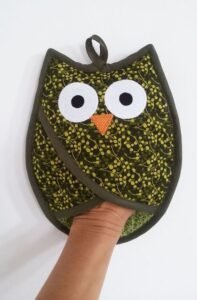
1. Choosing Fabrics and Preparing Materials
Before you begin stitching your first owl, it’s important to gather all the necessary materials and select the fabrics that will bring your potholder to life.
Choose 100% cotton fabric for the front and back of your potholder. Cotton is heat-resistant and easy to sew. Pick out a few colorful or patterned fabrics to give your owl character. You can mix and match colors for the wings, belly, and eyes.
For the batting inside the potholder, choose insulated batting like Insul-Bright. This special type of batting reflects heat and ensures the potholder provides protection from hot surfaces.
You’ll also need felt or fabric for details such as the beak and eyes. Using felt can simplify the process since it doesn’t fray and adds a nice texture contrast.
Gather other tools such as scissors, fabric pins, an iron, a sewing machine (or needle and thread if sewing by hand), and matching thread. Make sure you have a marking pen or chalk for tracing your pattern.
Finally, print or draw an owl template. The template will guide the shape of your potholder and the placement of all the owl features. Keep it simple, especially if you’re a beginner.
2. Cutting and Assembling the Owl Pieces
Now that you’ve selected your materials, it’s time to begin the fun part—bringing the owl to life piece by piece.
Start by cutting out the main owl body using your template. Cut one piece for the front and one for the back using your chosen main fabric.
Next, cut the belly, wings, eyes, and beak. These can be smaller accent pieces from various coordinating fabrics or felt. Lay them out on the main body to preview how the finished owl will look.
Cut two pieces of batting in the same shape as the owl body. These will be sandwiched between the front and back layers for insulation and protection.
If you’re using felt for the details, you can cut those directly and set them aside. Otherwise, if using fabric, remember to turn under the raw edges for a clean look or use fusible web to attach them easily.
Position the facial features and belly on the front fabric. Use fabric glue or pins to temporarily secure them in place before stitching.
Take time to double-check your layout before moving on. Adjust placements if needed to ensure symmetry and balance in your design.
3. Sewing the Owl Front and Back Together
This is where your potholder really starts to come together. The sewing steps are essential for durability and neatness.
Begin by sewing around the owl’s face details. Use a straight or zigzag stitch to secure the eyes, beak, and belly onto the front piece of the owl.
Next, sew the wings in place. They can be attached fully or just at the top edge to give a three-dimensional appearance. Experiment with placement to get the expression you want.
Place the front owl piece right side up, and layer it with the batting and the back owl piece, which should be placed right side down (so the fabric is facing inward).
Pin all the layers together securely, ensuring they stay aligned while sewing. This will make your final stitching much easier and cleaner.
Sew all around the edge of the owl, leaving a small opening (about 3 inches) on the side or bottom to turn the project right side out.
Once stitched, clip the curves and corners carefully to reduce bulk, being careful not to cut through your stitches.
4. Finishing Touches and Personalization
The final stage of sewing instructions: sew owl potholders – step by step for your creative kitchen projects is all about turning your work into something special.
Turn the potholder right side out through the opening you left. Use a blunt tool, like the end of a pencil, to push out the corners and curves so the owl shape is nicely defined.
Press the potholder with a warm iron to flatten the edges. This will help make the next step—topstitching—more precise and professional-looking.
Topstitch around the entire owl, close to the edge. This not only closes the turning hole but also secures the layers together, making the potholder sturdier.
Now is the perfect time to add a hanging loop. Use a strip of fabric or ribbon and sew it into the top of the owl. This makes your potholder easy to store and display.
Get creative with embellishments. You can sew on buttons for eyes (if not for kids’ use), add embroidery details, or personalize the potholder with names or fun words.
Make a few owl potholders in different color schemes or sizes. They look great in sets and are a fun way to practice your sewing skills while crafting something useful.
FAQ: Sewing Owl Potholders
What fabric is best for sewing owl potholders?
100% cotton is the best fabric choice for potholders due to its heat resistance and durability. Avoid synthetic materials that can melt under high temperatures.
Can I make owl potholders by hand without a sewing machine?
Yes, you can hand sew these potholders using a strong backstitch or blanket stitch. It may take a bit more time but is equally effective and satisfying.
How do I add insulation to make my potholder heat-resistant?
Use Insul-Bright or another heat-reflective batting between your fabric layers. This keeps your hands safe when handling hot dishes.
What should I do if I don’t have a template?
You can draw a simple owl shape by hand or trace one from a book or screen. Symmetry and size are more important than perfection when making your own pattern.
Can I wash owl potholders in the machine?
Yes, if all materials used are machine washable (like cotton and polyester thread). Avoid putting them in the dryer if they include delicate embellishments.
Is this project suitable for beginners?
Absolutely! This project is great for beginners because it involves basic shapes and straightforward sewing techniques. It’s a great way to practice both function and creativity.
Creating your own kitchen accessories with sewing instructions: sew owl potholders – step by step for your creative kitchen projects is a truly rewarding experience. You get to blend creativity, craftsmanship, and practicality into a fun DIY project that enhances your kitchen space. From selecting your favorite fabrics to adding playful touches, every stage of this project helps develop your sewing confidence.
Whether you’re making them for yourself, gifting to friends, or selling at craft fairs, owl potholders are a delightful way to bring joy and handmade warmth into daily routines.
We hope this guide gave you the inspiration and confidence to start sewing your own owl potholders. If you tried this tutorial, we’d love to hear your thoughts! Leave a sincere opinion and feel free to suggest any improvements or share your experience with others.